


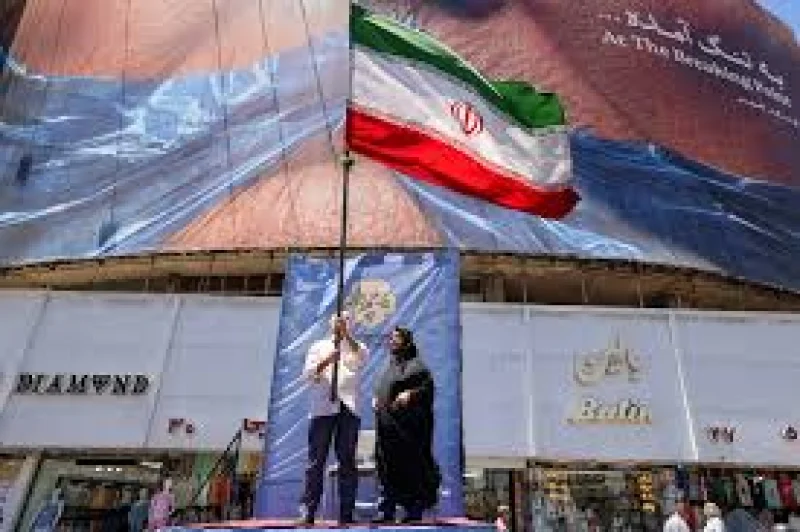
Iran said Thursday it had targeted an American military base in retaliation for U.S. strikes in Iran the day before, deepening a confrontation that has now run through three straight days of hostilities between the two countries. The exchange sent oil higher, pulled U.S. stock futures lower and kept traders fixated on whether the fighting could widen. Pressure was already building across markets before Wall Street reopened.
Brent crude rose more than 2 percent to about $95 a barrel for August delivery, while West Texas Intermediate climbed more than 2 percent to $91 a barrel for July delivery. In Asia, stocks were mostly down on Thursday, with shares in Japan and South Korea falling half a percent and Hong Kong down more than 1 percent. Futures tied to the S&P 500 pointed to a modest decline when U.S. trading resumed.
The move in oil reflected more than headline fear. A U.S. official said four Iranian drones knocked down on Wednesday had posed a threat to American forces in the region and to commercial shipping through the Strait of Hormuz, the narrow waterway that carries much of the world’s oil and gas tanker traffic. Any disruption there would reverberate quickly through energy markets and, with less speed, through the prices drivers pay at the pump.
That is where the immediate strain is beginning to show. Gas prices fell 3 cents on Thursday to a national average of $4.43 a gallon, but the relief is thin: since the war began, the cost of gas for drivers has risen by nearly 50 percent. Diesel edged lower to $5.55, yet it remains nearly 50 percent higher than it was at the start of the war. Fuel costs usually follow crude moves by a few days, so the latest jump in oil has not yet fully reached consumers.
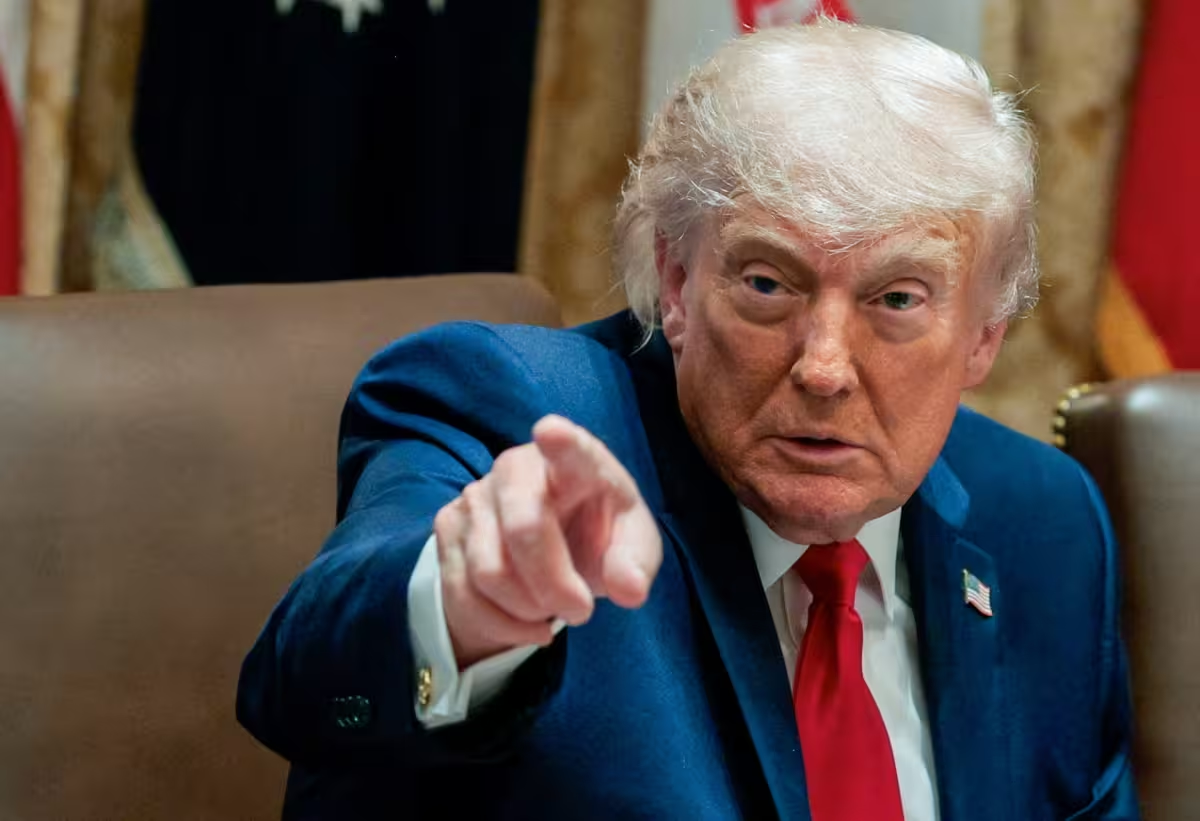
The fighting has also renewed doubts about whether a peace deal is really within reach, even as President Trump and administration officials continue to say an agreement with Iran is close. That combination — sharp military escalation paired with assurances that diplomacy is near — is the friction point now hanging over markets, and it is what makes this moment different from a routine spike in oil. Traders are not just reacting to missiles and drones; they are pricing in the chance that the pressure lasts long enough to reshape the path of the conflict.
