


Lawmakers from both parties are moving to block President Donald Trump’s settlement with himself, a $1.776 billion taxpayer-funded deal that would put federal money into the hands of people his appointees decide were targeted by the government. The effort sharpened this week after the president, who sued the United States over the leak of his tax returns, settled the case with the government last week.
Republican Rep. Brian Fitzpatrick of Pennsylvania said the agreement was wrong “on multiple fronts, morally and legally.” The pushback gives the issue immediate momentum in Congress and raises the odds that Trump’s plan will face a public fight before any money is distributed.
The settlement, as described by lawmakers, would draw from the federal government and be managed by a fund overseen by people appointed by the president. It comes as Trump has already used the power of the pardon in ways that have stirred anger among lawmakers, including in cases tied to the Jan. 6 attack on the Capitol.
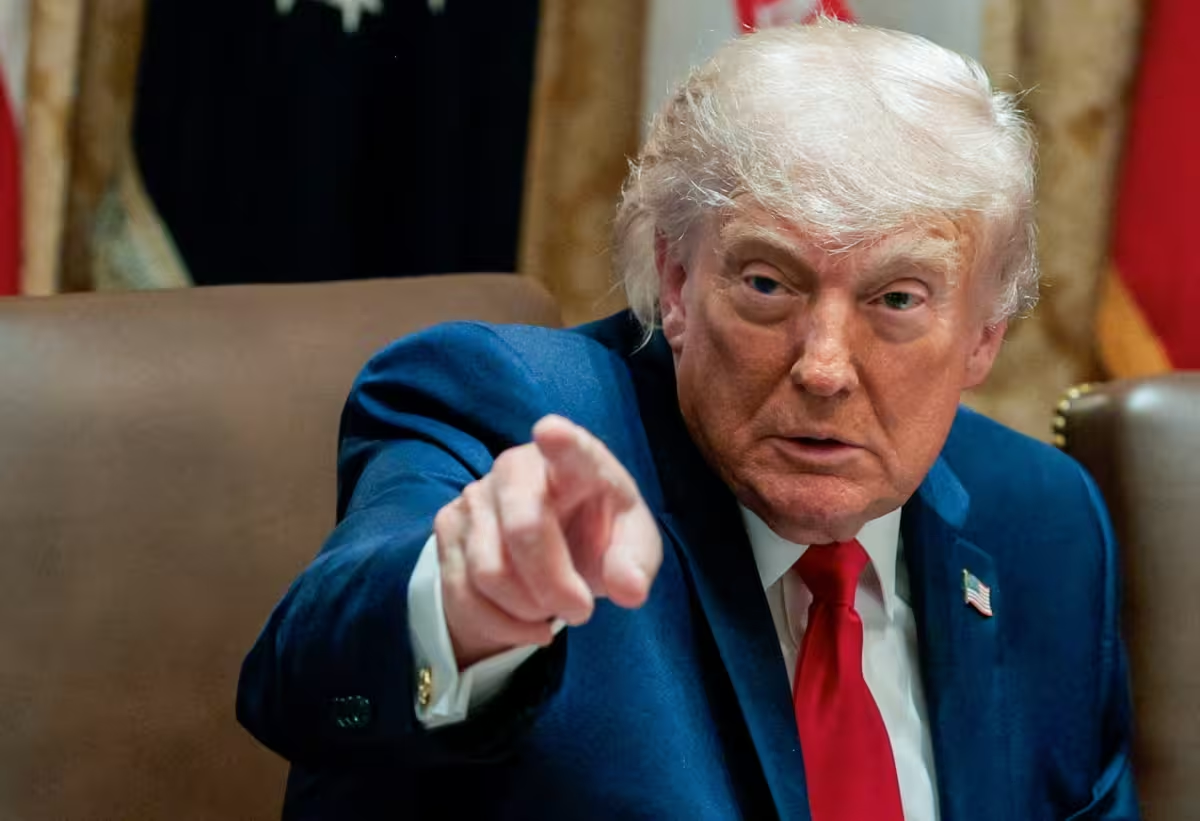
Rep. Tom Suozzi said the arrangement was not normal government practice. “It’s crazy and absurd,” he said, adding that the federal government does have money available for settlements, but usually in ordinary cases such as slip-and-fall claims. “The president wants $1.8 billion and wants his people to hand it out,” Suozzi said.
Suozzi said that structure could mean money flows to people he believes were wrongly treated by the government, including people who took part in the Jan. 6 insurrection and were prosecuted and found guilty. He said he was there on Jan. 6 when the Capitol attack took place, and he singled out Daniel Rodriguez, saying Rodriguez tased a police officer in the neck while others were beating him. Suozzi said the officer later suffered a heart attack and traumatic brain injury, and that Rodriguez was sentenced to 12 years in prison before Trump pardoned him along with hundreds of others.
That concern is what makes the settlement politically volatile. The deal is not just about money; it is about who gets to decide where federal money goes and whether people who were on the losing side of Trump-related prosecutions could end up benefiting from a fund controlled by Trump appointees. Suozzi said the idea left him furious. “I mean, I - this is what makes my blood boil,” he said.
Fitzpatrick and Suozzi are not alone in wanting to stop it. Lawmakers from both parties are now trying to block a settlement that would send taxpayer dollars into a process critics say is being shaped by the same president who brought the case, settled it and could ultimately influence the payout. The next fight is in Congress, where opponents will try to make sure the money never reaches the fund at all.
