


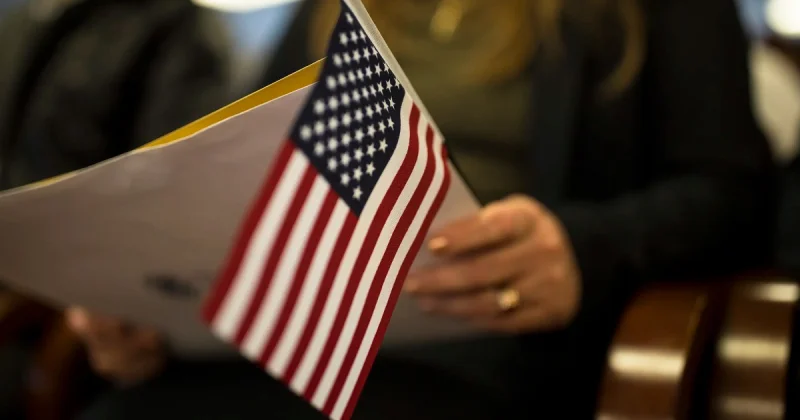
The Trump administration on Friday moved to make it harder for immigrants already in the United States to become permanent legal residents, directing most applicants to leave the country and complete green card processing at U.S. consular offices abroad. The change would mark a sharp break from the current system, under which many people on visas can apply for green cards without leaving the country.
USCIS said that, except in extraordinary circumstances, people seeking permanent residency must first return to their home countries and apply there. Agency spokesperson Zach Kahler said the new rules would “make our system fairer and more efficient.”
The numbers show why the shift matters. Department of Homeland Security data says the United States issued about 1.4 million green cards in 2024, and more than 820,000 went to applicants already living in the U.S. through adjustment of status. For those applicants, the new policy could change everything about how the process works, including where they live while they wait and whether they can keep the jobs and routines they have built here.
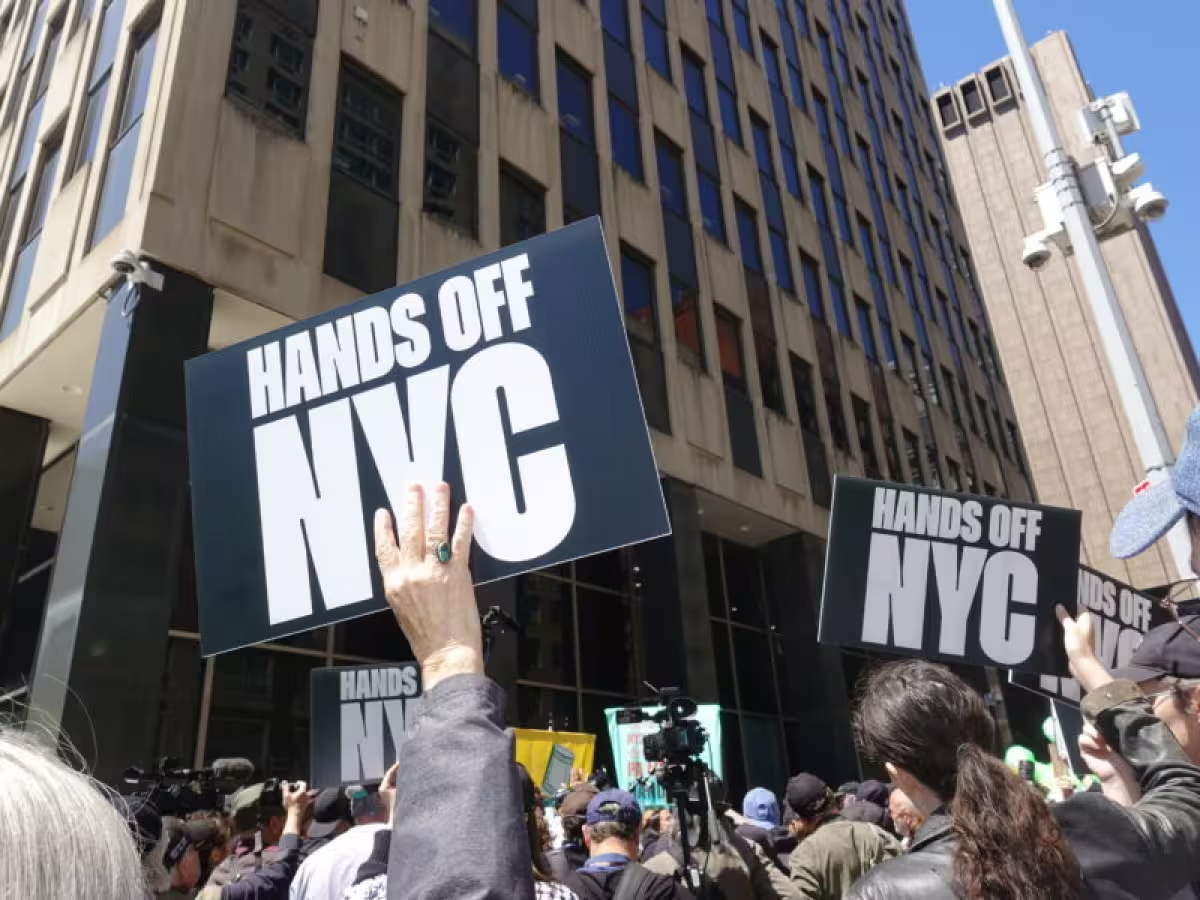
The green card process is already long, expensive and complicated. Many applicants also depend on support organizations inside the U.S. for free help with paperwork and interviews, a network that becomes much harder to use if the application must be handled abroad. The policy could also create family separation, force applicants with children to pay for two households, and interrupt careers for people who have already secured jobs in the U.S.
Doug Rand, a former USCIS official, said plainly that “The purpose of this policy is exclusion.” He added: “Remember that Trump has banned people from over 100 countries from returning to the U.S., so forcing them to go abroad for consular processing is no pathway at all.” His criticism points to the friction inside the new rule: USCIS says the change is about efficiency, but for many applicants it could mean leaving the country to complete a process that is already slow, costly and deeply disruptive.
The timeline behind the issue reaches far beyond Friday. The author’s parents first applied for a green card in 1989, and the family did not arrive in the United States until 2002, after the process had been underway for years. That experience underscores the long wait many families already face before permanent residency is finally approved. The new memo impact now is immediate: it could shift where thousands of applicants live, work and wait while their cases move forward.
What happens next is whether USCIS begins applying the rule broadly and how many applicants it will force out of the country to finish their cases. For families already in the middle of a yearslong process, the answer may determine not just the path to a green card, but whether they can stay together while they pursue it.
