


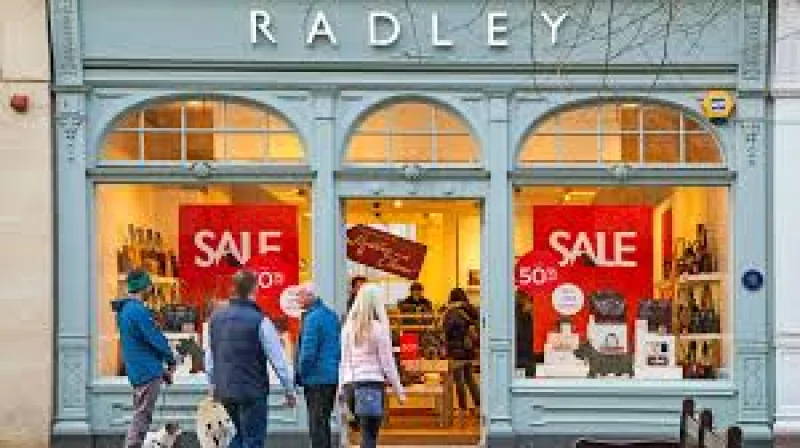
Radley, the British handbag and accessories brand, is understood to be close to being sold to Gordon Brothers in a deal that could be completed through a pre-pack administration. FTI Consulting is lined up to act as administrator, and the proposed transaction is expected to focus on Radley’s brand and intellectual property rather than its existing retail operations.
The move would hand control of a business that still trades through two main stores, in Glasgow and London, and 19 outlet stores. Radley paid to surrender leases early on three shops in the United States, a sign of how sharply its retail footprint has already been pared back.
The deal matters now because Radley’s latest results showed how much pressure the company is under. For the year to April 2025, it reported a loss of £2.2m, while revenue fell from £72m to £65.8m. The US market accounted for around 15% of group revenue, leaving the brand exposed as trading conditions worsened.

Radley was put up for sale earlier in 2025 by Freshstream, which has owned the company for around a decade. A previous strategic review in 2024 did not lead to formal talks with potential buyers, but the current process appears to have moved much further and now points to a sale rather than a long restructuring.
That is the tension inside the deal. A sale built around the brand and intellectual property may preserve the Radley name, yet the source says the company’s physical retail operations may be left outside the transaction. Further job losses in the retail side are likely, although the exact number is not yet clear, adding to the squeeze already felt across the sector from rising costs, weaker consumer confidence, expensive leases and pressure on margins.
Radley has also been investing in digital operations and an omnichannel retail model in recent years, but those efforts have not been enough to offset the decline in its traditional store base. If the deal goes ahead, it will mark the end of Freshstream’s long ownership and a reset for a brand trying to survive by leaning more heavily on its name than on the shops that once carried it.
