


The UK is entering a “new era of radical uncertainty,” GCHQ chief Anne Keast-Butler is expected to say on Wednesday in a lecture at Bletchley Park, where the wartime code-breaking agency once operated. She will warn that the risk of miscalculation is as high as she has ever seen it.
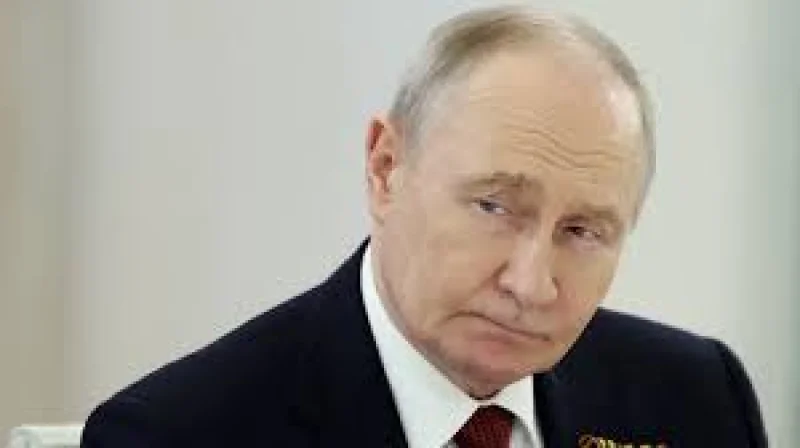
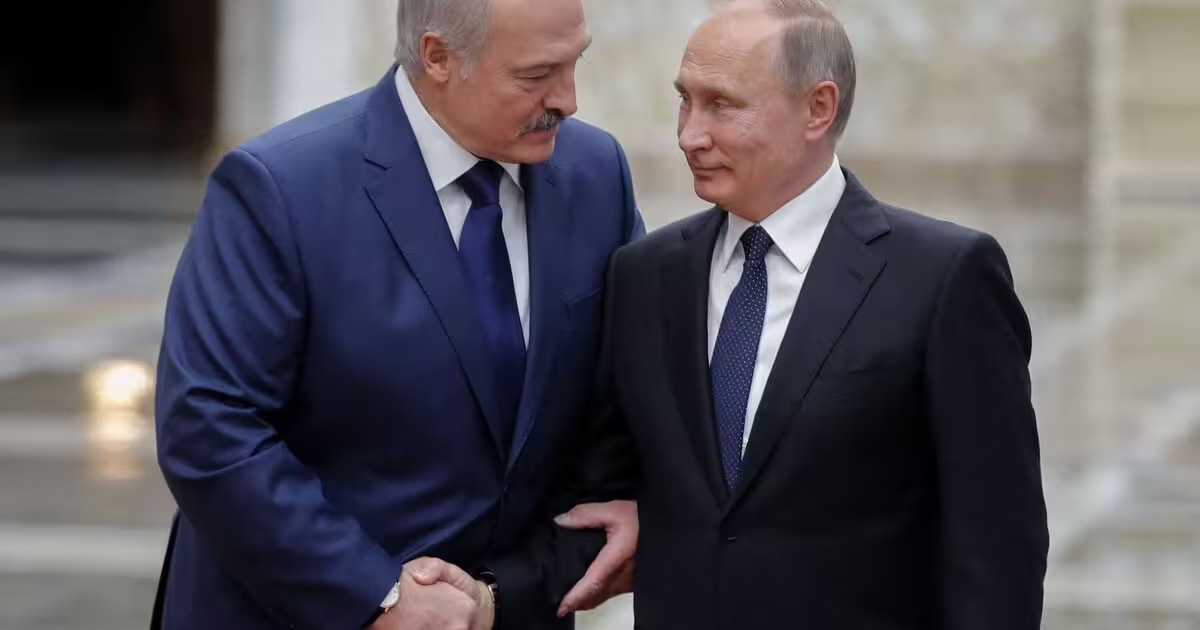
Keast-Butler will say Moscow is “relentlessly targeting critical infrastructure, democratic processes, supply chains and public trust” in Britain, while GCHQ works to fend off cyber-attacks and counter reckless sabotage and assassination attempts. The agency, which specialises in electronic intelligence, has been dealing with a threat picture that is broader, more persistent and harder to separate into neat categories of war and peace.
Her remarks will land just days after Britain said on Tuesday that it targeted Russia-linked cryptocurrency platforms, banks and financial networks it said were used to bypass sanctions, freezing their assets and barring UK firms from processing payments or maintaining banking relationships with them. The move underscored how financial enforcement has become part of the same contest in which hackers, sanctions evasion networks and sabotage campaigns now overlap.
China will also feature prominently in Keast-Butler’s speech. She is expected to describe the country as “a science and tech superpower – with sophisticated capabilities across their intelligence, cyber and military agencies,” and to say its growing development of artificial intelligence is creating a narrowing window for Britain and its allies to stay ahead. That warning comes as British officials continue to weigh how to manage a relationship with Beijing that mixes security concerns with economic interests.
The scale of the threat is already visible in the numbers. Britain faces four major cybersecurity incidents a week, Richard Horne said last month, with China, Russia and Iran behind most of the serious attacks. The National Cyber Security Centre, an arm of Cheltenham-based GCHQ, sits at the center of the response, trying to blunt intrusions that range from data theft to disruption.
Russia’s campaign has not stopped at code. During the Ukraine war, it has targeted Britain and other allies with sabotage and disruption operations, including firebombs placed in DHL parcels. One caught light in Leipzig, Germany, and another reached a warehouse in Birmingham after travelling from the continent by plane, a reminder of how quickly covert activity can cross borders and turn into something far more dangerous.
The setting adds its own weight. Bletchley Park was the Second World War home of GCHQ, and the site is tied to the agency’s origins in January 1939, when its first director, Alastair Denniston, discreetly sought a commitment from Newnham College to recruit six students proficient in modern languages in an emergency. Back then, the task was breaking codes used by the German military. Today, the adversaries are different, but the pressure is familiar: protect the country before the next move lands.
That broader tension has been echoed elsewhere in Britain’s security establishment. In December, MI6 head Blaise Metreweli said the UK was caught in “a space between peace and war,” a phrase that now feels closer to the daily reality described by GCHQ. Keast-Butler’s speech is expected to frame the moment as one of consequence, with Britain trying to defend itself while the boundaries between espionage, cyber conflict and physical sabotage continue to blur.
