


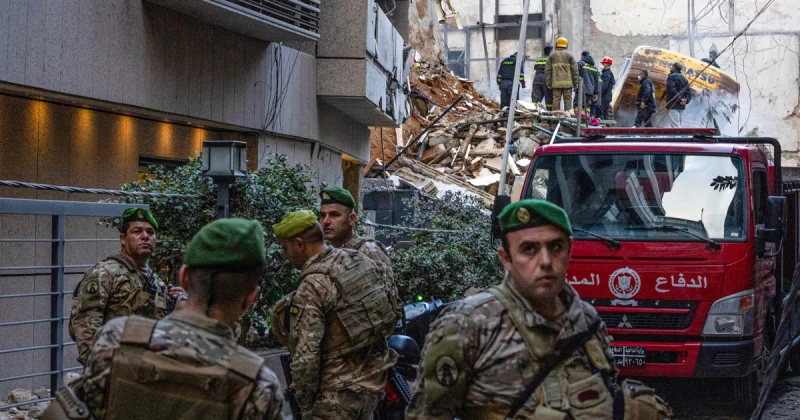
Iran has told Hezbollah it will keep funding and supporting its network of proxies, even as Washington and Tehran edge toward a possible deal that could include Lebanon. In a message sent Saturday to Hezbollah chief Naim Qassem, Iranian Foreign Minister Abbas Araghchi said the Islamic Republic would not abandon support for movements seeking rights and freedom until the very last moment.
The timing matters. Trump said on Saturday that a deal had been largely negotiated, while US officials speaking to Axios said the most contentious issues, including nuclear disarmament, were still being worked through. Lebanon is one of the terms under discussion in any potential ceasefire deal with Washington, turning a regional flashpoint into part of a wider bargaining table that also touches Iran’s nuclear program.
For Tehran, Hezbollah remains a core part of its wider network of proxies, and Araghchi’s message was meant to signal that the pressure campaign has not changed that. Maj. (res.) Alexander Grinberg said walking away from those groups at this stage would be “political suicide” for Tehran. He also said Iran can no longer smuggle weapons to Hezbollah through Syria and now depends on crypto-payments to provide financial support.
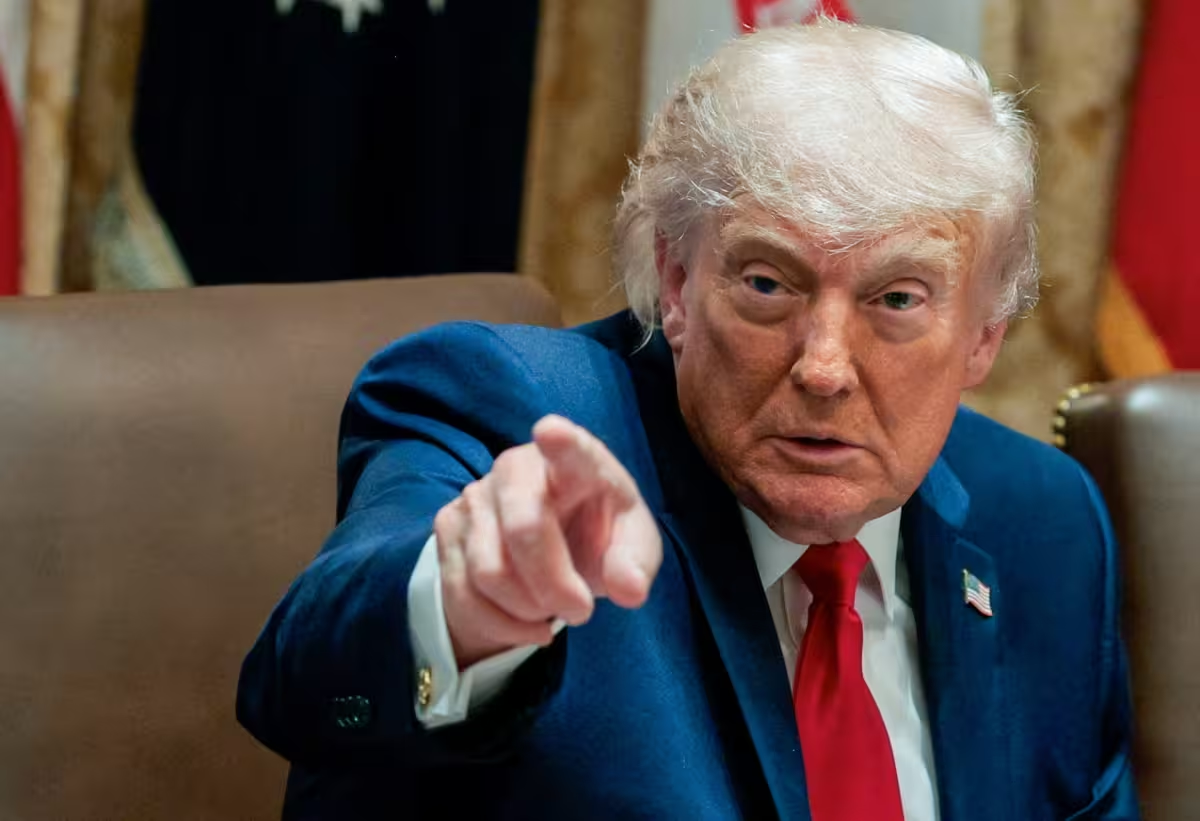
The concern in Israel is not subtle. KAN reported that Prime Minister Benjamin Netanyahu is worried about Lebanon being included in an agreement with Tehran, and a political source told the broadcaster that he has communicated to Trump that Israel will maintain freedom of action against threats in all arenas, including Lebanon. That position reflects a simple Israeli demand: any deal that affects Iran must not tie Israel’s hands on Hezbollah.
Benny Gantz put that argument even more bluntly, saying Israel has an obligation to protect its residents regardless of any external factor, and calling it “a strategic mistake that we will pay for for years to come.” He added that “Israel needs to say to the US: ‘No.’”
A US official told Axios that Trump may still be willing to include Lebanon in the agreement, despite Netanyahu’s concerns. That leaves a familiar tension in place: Washington is looking for a broader diplomatic package, while Israel is trying to preserve freedom of action against a threat it says has not gone away since October 8, 2023, when Hezbollah dragged Lebanon into another war.
Araghchi’s message makes clear Iran still sees leverage in its allies, but the shape of that leverage is changing. If Lebanon is folded into the deal, the question is not whether Hezbollah matters less to Tehran. It is whether Washington is prepared to treat that network as part of the price of an agreement.
