


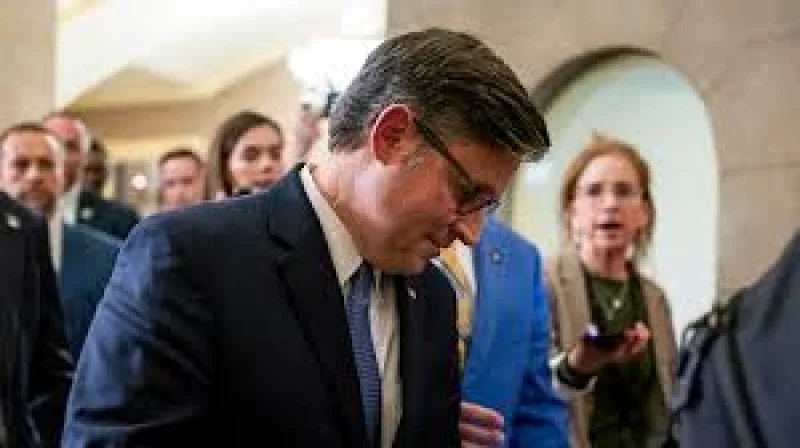
The Senate hit pause Friday on a $72 billion immigration enforcement bill as Republicans revolted over President Donald Trump’s $1.776 billion fund for people he says were victims of government weaponization. The dispute turned the gop immigration bill delay into the latest clash between Trump and uneasy lawmakers in his own party.
Many Republican senators want the anti-weaponization fund killed outright or tied to strict guardrails, while Democrats said they would use the immigration measure to mount a direct attack on it. Trump, meanwhile, said on his social media platform that he was helping people who were abused by what he called an “evil, corrupt, and weaponized Biden Administration” receive justice.
The fight lands at a sensitive moment for Republicans, with less than six months before midterm elections and with slim majorities in both chambers leaving only a handful of defections able to sink Trump’s priorities. On May 22, Senate Majority Leader John Thune also blocked $1 billion in federal funding for a White House ballroom that Trump had already begun building, adding another sign that even allies in Congress are drawing lines.

The immigration bill had already become a battleground over the anti-weaponization fund, which critics say could reach people convicted in connection with the January 6, 2021 attack on the Capitol. Thom Tillis said the American people would reject the fund “out of hand,” adding that it could end up compensating someone who assaulted a police officer, admitted guilt, got convicted, got pardoned and would now be paid for it. “That’s absurd,” he said.
Some Republicans are moving beyond complaints and toward blocking the money by force. Brian Fitzpatrick teamed up with Tom Suozzi on legislation to prohibit the payment of any claims submitted to the fund. Don Bacon called the fund and the ballroom fight “poison pills” for House Republicans facing tough reelection campaigns, a warning that the Senate clash could spread quickly to the House.
But Republican resistance has not always translated into lasting rebellion, and party strategists say Trump has a long record of holding line-drawers in check. Doug Heye said the party has heard “this talk for 10 years now of rebellion and cracks in the coalition,” but that it “has never happened,” as Trump has continued “constantly capitulating” to his own political instincts and the realities of congressional math.
For now, the immediate result is a standstill. The immigration enforcement bill cannot move cleanly while the anti-weaponization fund remains attached to it, and the next round of negotiations will determine whether Republicans narrow the fund, strip it out or keep the fight alive into the summer.
