Cassie Howard stole Nate Jacobs from Maddy Perez when they were teenagers. In the final episodes of Euphoria, the revenge worth watching for is not a breakup or a fight. It is stardom.
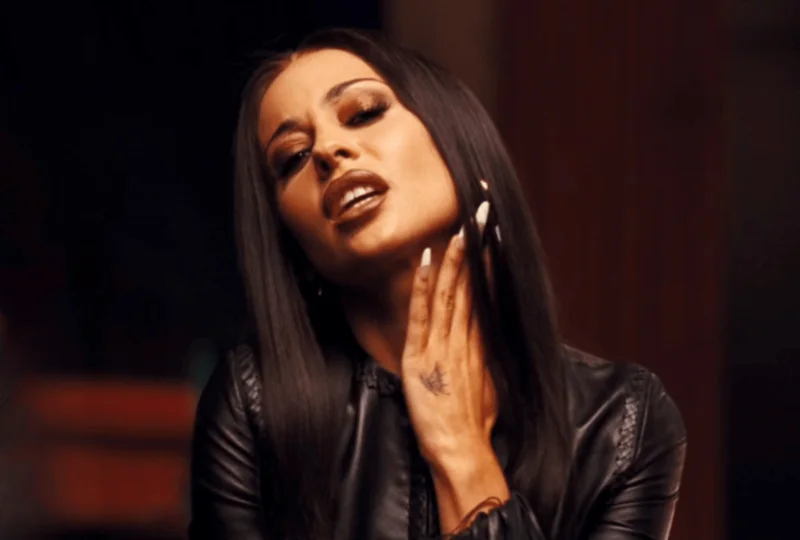
That is where Maddy lands, and it is where Alexa Demie makes her character dangerous. Maddy can take everything Cassie has been chasing simply by being the person the camera turns to next. In Season 3, she works at a Hollywood talent agency, manages OnlyFans creators on the side and signs a 15% deal with Alamo Brown to manage his strip-club girls. She decides who gets the camera, where the lens points, how the content is packaged for the market, and she is not afraid to get her hands dirty.
That gives Maddy real power in a show built on power. She is not just participating in the economy around her. She is shaping it. She can teach people the job because she already knows how to do it herself, and the season treats her as the character who speaks its thesis statements out loud. “I believe in capitalism,” she says, and the line gets her hired at the agency. Later, “The angrier these idiots get, the more money you make,” helps send Cassie’s OnlyFans account from 17,000 subscribers to 50,000 subscribers in a week.
Those numbers are the point. They turn Maddy’s instinct into leverage and Cassie’s humiliation into revenue. She also delivers the Pomeranian war speech, the diner pitch to Alamo and the $8 billion versus $7 billion comparison that sets Hollywood against OnlyFans as competing machines for attention and cash. In Maddy’s hands, the difference between art, hustle and exploitation gets smaller by the scene.
There is a reason that works so cleanly. Maddy is written and played as someone who understands what lands on screen before anyone else admits it. The directorial note she gives a fictional content creator — “Trying way too hard instead of just being” — doubles as the season’s plainest rule for making anything people will watch. She knows when something should be profile-built, how it should be packaged and how much cut she should take. That is the job, and Maddy does it operationally.
The contrast with the fictional LA Nights showrunners is sharp. They commissioned Jules to paint a Seurat-inspired piece for the soap, then complained when it did not meet Standards. They cast Cassie on a whim and signed her for one scene of “Job Applicant” with no expansion in mind. But when Cassie improvised an entire emotional breakdown into a take, they rolled with it and wrote the storyline around it afterward. Their note about her was simple: “I think she’s got something.”
That difference matters because it shows who is actually driving the creative machine. Maddy acts like a stand-in for a showrunner or creative director, while the people officially in charge keep reacting after the fact. She makes the choice, moves the content and takes the cut. They discover the value only when it has already happened.
Demie’s performance gives that logic a human center, and the character’s authority is sharpened by the structure around her. Sam Levinson writes and directs every episode of Euphoria, is the sole credited writer on the show and works without a traditional writers’ room. In that environment, Maddy’s control reads less like a fantasy than a reflection of how the series itself is built: one person deciding what lands, what gets kept and what becomes the story.
The final episodes do not hand Cassie a clean revenge arc. They hand Maddy the thing Cassie can never fully steal — the ability to turn attention into power. That is why Alexa Demie’s character feels like the center of gravity now. She is not waiting for the camera. She is deciding where it goes next.