


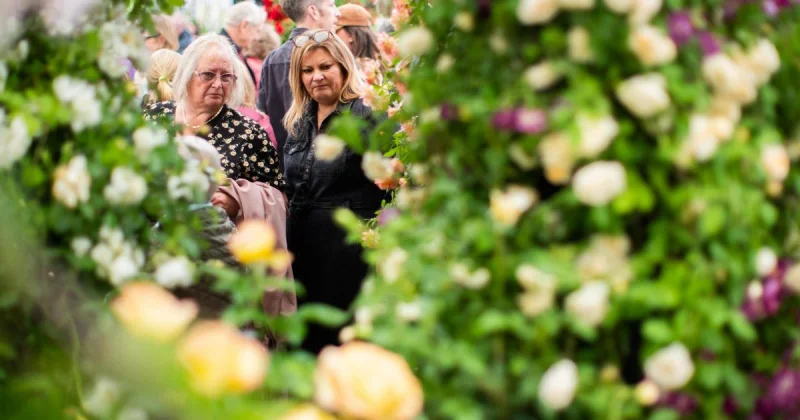
The Chelsea Flower Show closed on Saturday with the Royal Horticultural Society under pressure from its own critics, as a row over sponsorship, peat-free growing and what some on the conservative wing call “wokery” spilled beyond the showground. The dispute has sharpened just as the RHS faces questions over money, membership and the direction of one of Britain’s best-known garden institutions.
The society recorded a net loss of £8.1m in the year ending January 2025, a figure that has fuelled unease among members who already watched a mystery philanthropic couple end support this year after spending more than £23m on Chelsea. At the same time, the Newt launched its own garden show and offered free entry to under-16s, adding fresh competition to an event that remains the centrepiece of the RHS calendar.
The RHS said unpublished financial accounts for the last financial year were healthier than the filed figures suggested. It said income grew by 7% and that it achieved a cash profit of £4.8m, while still investing £83m in charitable work in April. Those numbers matter because the society is trying to show that the loss did not reflect a simple collapse in demand, but a year distorted by the well-documented impact of the M25/A3 disruption and by ongoing spending on its wider mission.
That defence has not quieted the criticism. Opponents on the conservative wing of the RHS have attacked corporate sponsorship, the move to peat-free compost and what they see as a general turn towards “wokery”. The society made its shops peat-free in January, saying it was responding to the environmental damage caused by peat extraction, but that decision has become one of the fault lines in the argument about whether the RHS is changing too fast for parts of its traditional base.
Tim Penrose, one of the most vocal protesters, said he was blocked from exhibiting this year because he had failed to attend anti-peat seminars. He said: “In my application I agreed to adhere to their rules.” He added: “So I was very upset and astonished when they turned me down on the anti-peat issue, writing to me saying they would not be able to ‘give me space’ because I was not ‘committed’ to anti-peat policy and that I hadn’t attended any of their anti-peat seminars.”
Penrose, who turned up at the show in a Superman suit, said he later received a lifetime ban for the protest. “They just don’t like me speaking out,” he said. “There are others who agree with me about the way things are going, but everyone is too scared for fear of being excluded … There is unbelievable snootiness from staff who behave like school teachers … The thing is, you go too woke, you could go broke.”
The clash goes to the heart of what Chelsea now is. This year’s show featured King Charles, David Beckham, a nocturnal garden for bats and a Viking-themed allotment full of edible plants in pots, a mix that still draws headlines and crowds even as the society’s financing and culture come under scrutiny. The RHS says its latest results are healthier than the filed loss suggests, but the combination of a major donor’s departure, a rival show and a loud internal backlash shows that Chelsea’s biggest challenge is no longer just what grows in the gardens. It is whether the institution can hold together the people who want it to stay exactly as it was and the people who say it has no choice but to change.
