


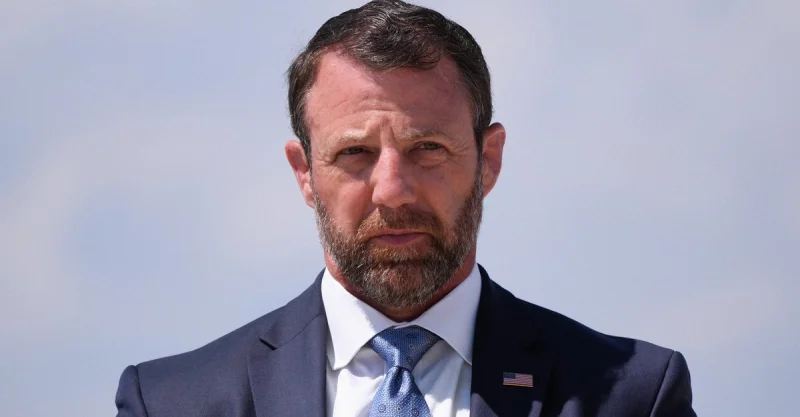
Markwayne Mullin has floated cutting federal screening of international passengers and cargo at airports in sanctuary city jurisdictions, a move that could hit major hubs in New York, Los Angeles and Chicago and disrupt how travelers and freight move into the United States. Last Wednesday, the Republican senator gathered a small group of airline and travel-industry executives at DHS headquarters in Washington and warned that Customs and Border Protection staffing could be reduced at major airports that serve those cities.
Among the airports Mullin said could be affected were Portland International Airport, John F. Kennedy International Airport, Newark Liberty International Airport and Washington Dulles International Airport. Two people with knowledge of the discussion said he did not say when the Department of Homeland Security would start pulling back personnel, though they said the move would likely come after the United States finishes hosting the World Cup in July.
The warning gives new shape to an idea Mullin first raised in early April on, when he suggested curbing federal screening at airports in cities with sanctuary policies. Sanctuary policies limit cooperation with Immigration and Customs Enforcement, and the Trump administration wants city and county jails to let ICE officers take custody of potential deportees before they are released. In the airport meetings, Mullin tied that fight directly to the flow of international arrivals, saying cities that receive those flights should be willing to work with ICE at the airport if they are not enforcing immigration rules once travelers leave.
International travelers and cargo often first arrive at U.S. airports that are not their final destination, which is why travel executives told DHS the disruption would not stay neatly inside the cities Mullin is seeking to pressure. They argued that passengers and freight cannot simply be routed around the affected airports and warned that reducing screening or staffing would create chaos at major hubs while inflicting significant economic damage well beyond those jurisdictions.
Mullin, according to two people familiar with the conversation, told the executives he was being pushed toward difficult choices. He said sanctuary cities receiving international flights should partner with ICE at the airport, and added, “I’m going to have to be forced to make hard decisions.” The threat now hangs over some of the busiest entry points in the country, and the next consequential question is whether DHS turns the warning into action after July or keeps it as leverage in a broader immigration fight.
