


Maisie Peters says Florescence came after the rush of years in which she was nearly always moving. The 25-year-old British singer-songwriter described her third studio record as something she needed to make once the dust settled and she found a more stable version of herself.
That shift matters because Peters spent the better part of five years on a fast rise that included opening for Taylor Swift, Ed Sheeran and Coldplay, headlining three sold-out world tours of her own, making her Glastonbury debut and launching a podcast with her twin sister Ellen. Florescence, she said, is the first record shaped by the life that came after that stretch of near-constant motion.
Peters said her earlier albums, You Signed Up For This and The Good Witch, were honest snapshots of who she was when she made them. She was 19, 20 and 21 then, and she said it is hard to capture a true, grounded, long-term version of yourself at that age. The records matched that moment in her life, she said, but they were written before she had lived through the fuller set of experiences that now feed Florescence.

Those experiences include, in her words, falling properly in love, being in a real relationship with somebody else, touring for months at a stretch and living a nomadic life while trying to keep a home base. Now at 25, she said, she is seeing who will be her people for a long time and watching those relationships solidify around her. That is the emotional center of the new album, which she said reflects the ordinary turning points other people go through too.
Florescence was also shaped in collaboration with Julia Michaels and Marcus Mumford, whom Peters described as active partners in the room. She said their musical sensibilities helped form songs that feel richer and more unusual in their instrumentation, and she pointed to Taylor Swift as a foundational influence on how she thinks about songwriting. The result, by her account, is a record built less on momentum than on perspective.
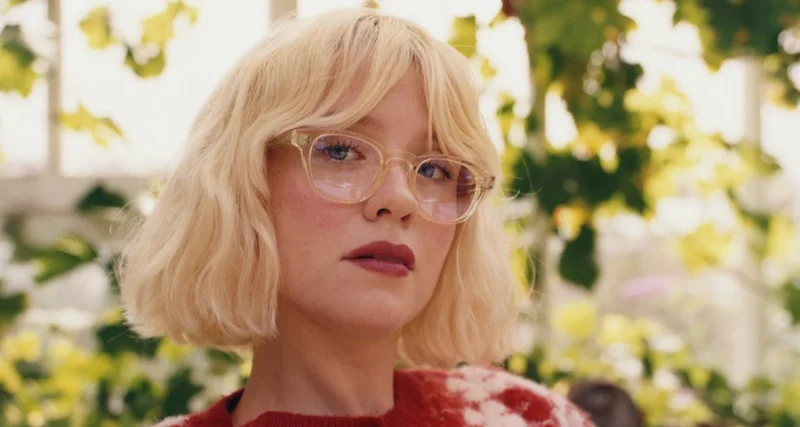
The album’s look was built the same way. Peters worked closely with her stylist to create a visual palette of denims, whites, browns and earthy tones, and she said the brief was simple: clothes she could actually live in. That practical instinct extended to the stage, where she said she wanted to do away with any shoe that made her nervous while performing. It is a small detail, but it fits the larger change she is describing — a move away from the adrenaline of early career speed and toward something steadier, more livable and more her own.
For Peters, the release of Florescence is not just another album cycle. It is the first one that seems to reflect a version of herself formed after the touring, the collaborations and the early releases, when the noise had finally faded enough for her to hear what remained.
