A rare hantavirus outbreak linked to a cruise ship in the Atlantic has left three people dead and prompted international quarantine, testing and contact-tracing measures across multiple countries. Health authorities say the cluster involves Andes virus, a South American hantavirus that can cause severe lung disease and, unlike most hantaviruses, can sometimes spread between people after close contact.
What Is Hantavirus?
Hantaviruses are a family of viruses carried mainly by rodents. People are usually infected when they breathe in dust contaminated with rodent urine, droppings or saliva, especially in enclosed spaces such as cabins, sheds, storage areas or poorly ventilated buildings.
Different hantaviruses cause different forms of illness. In the Americas, the most severe concern is hantavirus pulmonary syndrome, a fast-moving disease that can begin like the flu and then progress to serious breathing problems, fluid in the lungs and shock.
The virus involved in the 2026 cruise ship outbreak has been identified as Andes virus. It is unusual because it is the only hantavirus known to spread from person to person, though that transmission is considered rare and generally linked to prolonged close exposure to someone who is ill.
How The 2026 Hantavirus Outbreak Began
The outbreak was first flagged to global health officials on May 2 after several people connected to the MV Hondius developed severe respiratory illness. The ship had been traveling in the South Atlantic after departing from Ushuaia, Argentina, a region where Andes virus is known to circulate in wild rodents.
By May 21, health authorities had counted 11 cases in total, including nine confirmed and two probable infections. Three deaths have been linked to the cluster. No new cases or deaths were announced in the latest update, but monitoring continues because symptoms can take weeks to appear after exposure.
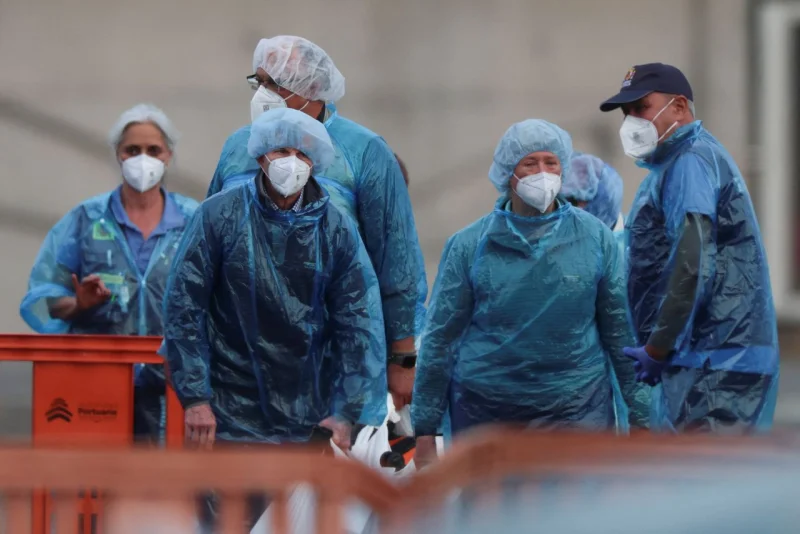
The ship later docked in Rotterdam, Netherlands, where sanitation work began. Crew members and medical personnel remaining on board have been placed under quarantine and testing protocols. Passengers who disembarked earlier have also been traced through international health channels.
Hantavirus Symptoms Can Escalate Quickly
Early hantavirus symptoms often resemble influenza or other common infections. Patients may develop fever, muscle aches, fatigue, headache, dizziness, chills, nausea, vomiting, diarrhea or abdominal pain.
The dangerous phase can arrive several days later, when coughing and shortness of breath develop. In severe hantavirus pulmonary syndrome, fluid builds in the lungs and patients may need intensive care, oxygen support or mechanical ventilation.
That delayed progression makes outbreaks harder to manage. A traveler may feel well for days after exposure, then become ill after leaving the original setting. For the Andes virus, the incubation period can extend for several weeks, which is why exposed passengers and close contacts are being monitored beyond the immediate cruise timeline.
How Does Hantavirus Spread?
Most hantavirus infections do not spread casually from one person to another. The usual route is exposure to infected rodents or contaminated dust. Cleaning rodent-infested spaces without proper precautions can raise risk because sweeping or vacuuming may send infectious particles into the air.

Andes virus requires extra caution because person-to-person spread has been documented. That does not mean it spreads like measles or influenza. The current understanding is that transmission usually requires close, prolonged contact with a sick person or their bodily fluids.
Public health officials are therefore focusing on contacts who shared cabins, provided care, traveled closely with patients or had extended exposure during the period when infected people may have been contagious. Casual public risk remains low when cases are isolated and contacts are monitored.
Why Travelers Are Being Watched Closely
The cruise ship setting created a complicated response because passengers and crew came from several countries and some people traveled onward before the outbreak was fully understood. Health agencies have had to coordinate testing, quarantine and monitoring across borders.
Some exposed U.S. travelers have been sent to specialized quarantine or biocontainment facilities. Other countries have placed passengers under home or facility-based monitoring, depending on exposure level, symptoms and local rules.
The goal is not only to find sick passengers. It is also to identify people who may become ill later, test them rapidly and prevent any secondary spread. Because Andes virus cases can be severe, early medical attention is important for anyone who develops fever, muscle aches or breathing symptoms after possible exposure.
What The Outbreak Means For The Public
The outbreak does not mean there is a broad hantavirus emergency in everyday travel or on ordinary cruise ships. The known cluster remains tied to a specific vessel and travel history connected to South America. Health authorities have said the wider public risk is low when containment measures are followed.
The event is still significant because cruise ships bring together shared cabins, common spaces, international travel and rapid passenger movement after disembarkation. When a rare infection is first mistaken for a more routine illness, valuable time can be lost before the right testing and tracing systems activate.
For travelers, the practical advice is straightforward: avoid contact with rodents or rodent-contaminated spaces, do not sweep or vacuum rodent droppings dry, ventilate affected areas before cleaning and seek medical care promptly after possible exposure if flu-like symptoms or breathing problems appear.
What Happens Next
The next phase of the response will depend on whether new cases appear among passengers, crew or close contacts already under monitoring. If no new infections emerge through the incubation window, the outbreak may remain limited to the cruise-linked cluster.
Investigators are still examining where exposure most likely occurred, whether infection began before or during the voyage and whether any person-to-person transmission happened after the first cases developed. Those findings will matter for future travel guidance, cruise health protocols and response plans for rare viruses with pandemic-like warning signs.
For now, the hantavirus outbreak has produced a serious but contained international response. The central public health task is to finish contact monitoring, protect medical workers and travelers, and make sure any new illness connected to the MV Hondius is detected before it spreads further.