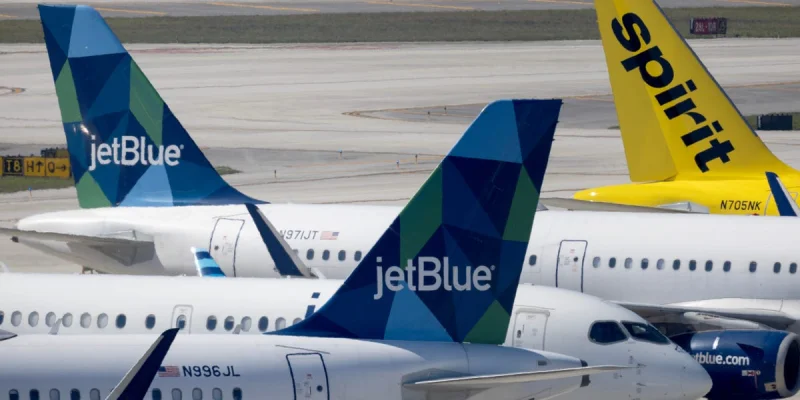
JetBlue is pulling out of Manchester-Boston Regional Airport in New Hampshire and cutting 11 routes this summer, including service from Hartford, Connecticut, Providence, Rhode Island and five routes from Newark Liberty International Airport in New Jersey. The move leaves the carrier without any Manchester service after only about 18 months in the market.
The airline said it is ending service on a small number of underperforming routes and redeploying aircraft to support growth at Fort Lauderdale-Hollywood International Airport. JetBlue said the change will let it better align flying with customer demand and strengthen its focus city strategy in South Florida.
The timing is striking for Manchester, which was pitched as an alternative to Boston’s busier hub. JetBlue only started flying there about 18 months ago, and it had already stopped flying to Fort Lauderdale and Fort Myers from the airport in early May. Its Orlando service from Manchester is now scheduled to end on July 8, leaving the airport with no JetBlue flights at all.

That pullback comes as JetBlue is doubling down on Florida after Spirit’s collapse. Spirit ceased operations on May 2, and JetBlue is expanding in Fort Lauderdale-Hollywood International Airport as it reshapes its network around stronger demand. The carrier is also trimming service in places that no longer fit that plan, even when those routes were still relatively new.
Providence is the exception among the cuts. JetBlue said that route is being suspended seasonally, and Cirium data shows it is scheduled to resume in December. The airline said customers affected by the cuts can be rebooked on alternate JetBlue flights or receive a full refund.
Manchester airport officials had already flagged pressure on the route earlier, saying jet fuel prices had spiked. Even so, the abrupt exit underscores how quickly airline network decisions can change for smaller airports when a carrier decides to chase growth somewhere else. For Manchester, the loss is more than a schedule adjustment; it is a reminder that new service can disappear almost as fast as it arrived.