


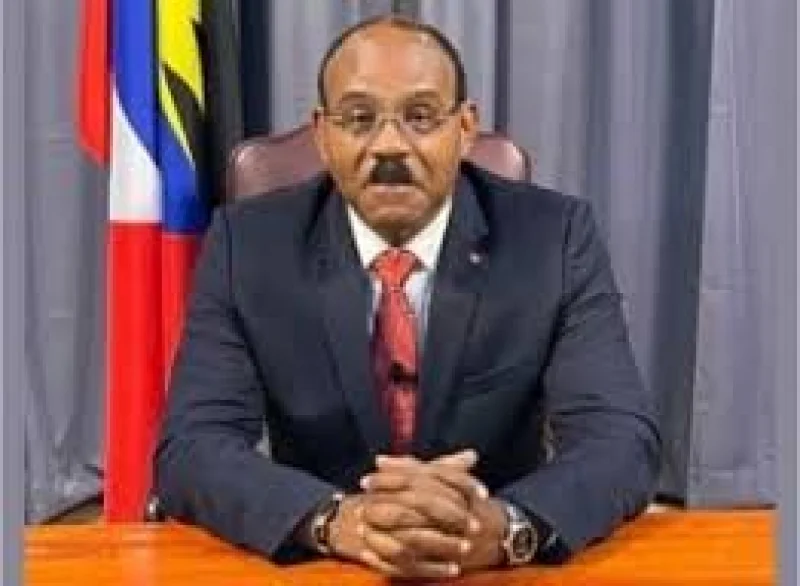
Prime Minister Gaston Browne said Antigua and Barbuda wants the Loss and Damage Fund properly capitalized so Caribbean countries can recover from climate disasters without taking on more debt. Speaking on Pointe FM after recent meetings in New York, he said the government has already been talking with officials linked to the fund and is pressing for wider access to climate finance.
Browne said the aim is not only emergency relief after storms, but steady support for climate resilience and housing renewal projects. He said Antigua and Barbuda could secure additional financing to strengthen infrastructure and improve disaster preparedness, while also seeking help through institutions including the Global Environment Facility and the Loss and Damage Fund.
The prime minister framed the issue as a matter of fairness. Small island developing states, he said, contribute little to global greenhouse gas emissions but endure some of the harshest consequences of climate change. Wealthier industrialized countries, which have produced most of the historical fossil fuel emissions, should provide greater financial support to vulnerable nations. “We have contributed little to this crisis,” Browne said, adding that “Those who pollute must pay.”
His comments come as Antigua and Barbuda continues to push for reforms in the international financial system and for broader use of vulnerability-based measures in place of income-only rules when countries seek concessional financing. Browne has been a vocal advocate for the Multidimensional Vulnerability Index, arguing that traditional economic indicators do not capture the risks faced by small island states exposed to climate shocks and stronger hurricanes.
That argument matters in the Caribbean because a storm can wipe out roads, housing and public facilities in a matter of hours, leaving governments to choose between borrowing for repairs or waiting for outside help. Browne said grant funding after natural disasters is the better path for Caribbean countries, and he urged donors to make sure the Loss and Damage Fund is funded well enough to deliver it.
The tension is in the gap between the scale of the damage and the pace of the money. Antigua and Barbuda is still pursuing support for resilient housing, environmental projects, renewable energy and environmental management, all of which Browne said are critical to protecting the country's economy and tourism sector from climate-related threats. The financing talks are moving, but the country’s message is that small states cannot keep absorbing climate shocks on credit.
For Browne, the next step is clear enough: the fund has to be more than a promise. If richer nations do not put enough money into it, Caribbean countries will keep doing what they have done for years — rebuilding from disasters while paying interest on the last one.
