


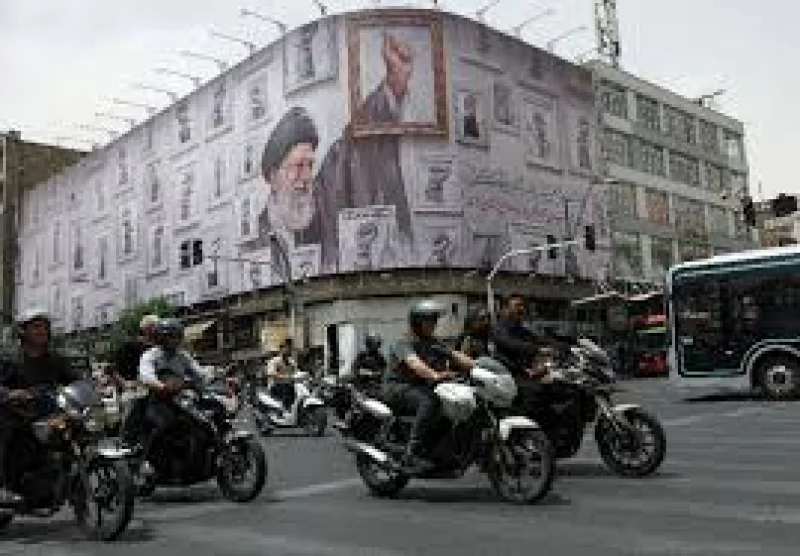
Vice President JD Vance told reporters at the White House on Thursday that Iran must not have a nuclear weapon and said neither Donald Trump nor Tehran wanted the U.S. military campaign to restart. He fielded questions from the briefing room while Press Secretary Karoline Leavitt remains on maternity leave.
Asked how long the conflict could last, Vance said, “This is not a forever war,” adding that the administration did not want a renewed military campaign. He was speaking at a vice president vance press conference that also turned to the question of what comes after the fighting: whether other countries can play a bigger role in pushing the two sides toward a deal.
The briefing came two weeks after Secretary of State Marco Rubio filled in for Leavitt, a reminder that the White House has been rotating senior figures through the podium while she is away. Vance’s comments put the administration’s message in plain terms: the goal is to stop Iran from obtaining a nuclear weapon without drifting into another prolonged conflict.
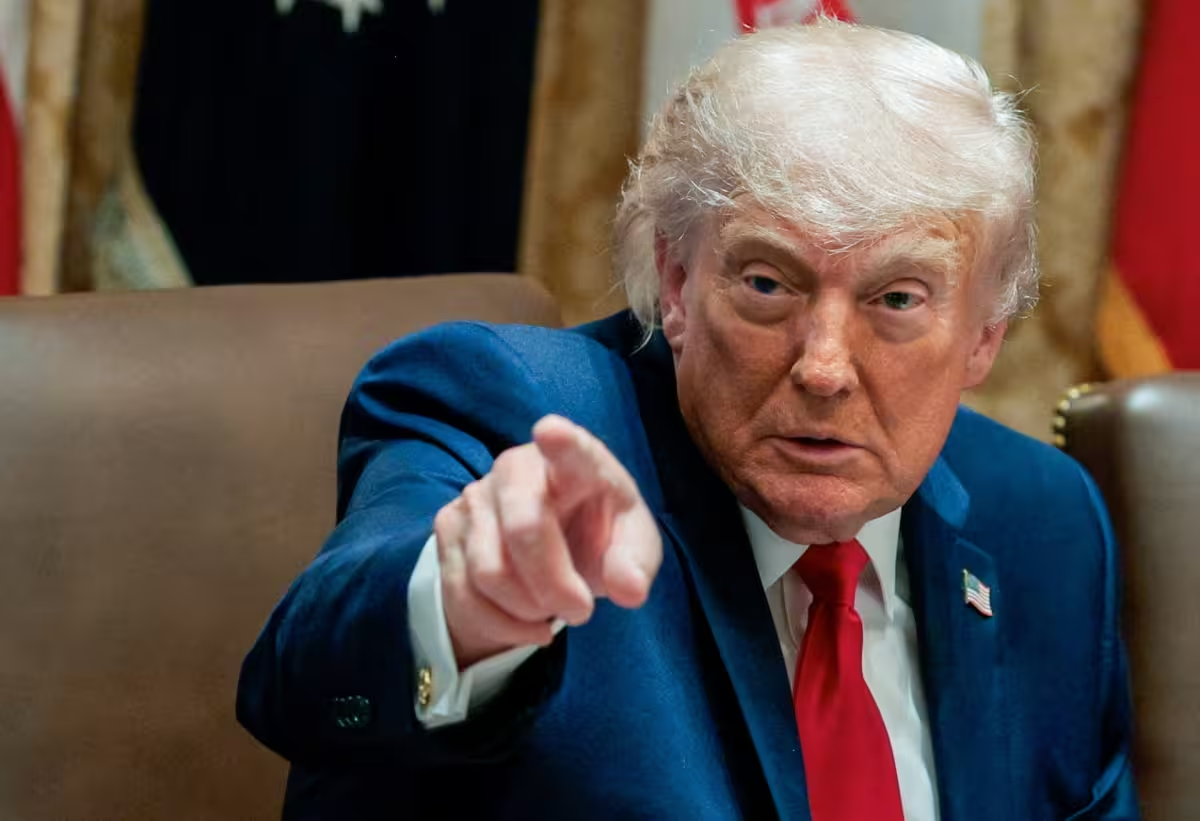
That message did not sit entirely on its own. Trump’s own remarks last week, when he said, “I don’t think about Americans’ financial situation. I don’t think about anybody. I think about one thing, we cannot let Iran have a nuclear weapon. That’s all,” had already stirred questions about whether the White House was balancing domestic concerns with the crisis abroad. Vance called that line “totally taken out of context” and said Trump worries about his fellow Americans “every single day.”
He also tried to draw a line between the president’s focus on Iran and his concern for family finances, saying Trump is capable of caring about the financial security of Americans while also staying fixed on the situation in Iran. The remarks were meant to calm doubts, but they also showed how easily one unscripted Trump comment can force the White House to explain itself the next day.
The briefing went beyond Iran. Vance was asked about whether money should be given to people who assaulted police officers during the Jan. 6, 2021, riots, and he said those situations would be examined on a “case-by-case” basis when deciding suitability. Questions also touched on protests in the U.K., underlining how the session became a broader test of how the administration wants to talk about unrest, punishment and political loyalty in the same breath.
What emerged most clearly from the briefing was not ambiguity but a boundary: the administration wants pressure on Iran, but not an open-ended war. Whether other countries can help move Washington and Tehran toward a deal is now part of that effort, but Vance left no doubt about the central objective. Iran, he said, must never get the bomb, and the White House does not want the fight to become permanent.
