


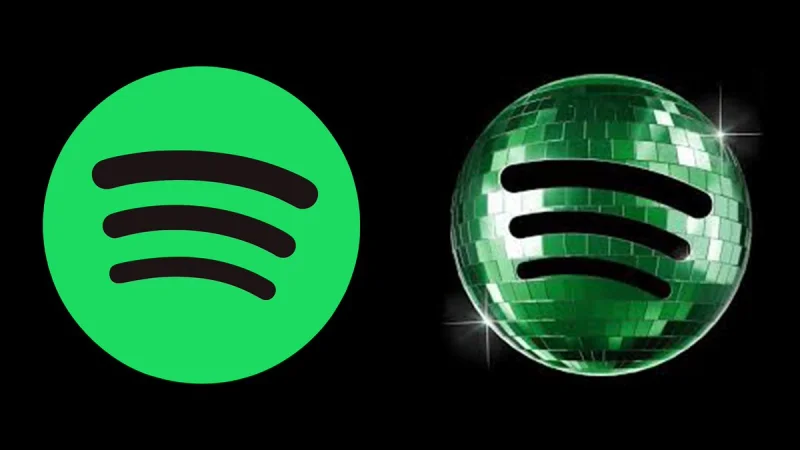
Spotify’s temporary disco ball app icon is being rolled back after a wave of user complaints over the streaming service’s surprise redesign. The glittering green icon, introduced as part of Spotify’s 20th anniversary campaign, replaced the familiar flat green logo on many mobile devices and quickly became a talking point among listeners who wondered whether the company had permanently changed its brand.
Why Spotify Turned Its Logo Into A Disco Ball
The new Spotify logo was not meant to signal a full rebrand. It was a temporary anniversary treatment tied to Spotify’s 20-year milestone and a wider campaign built around music nostalgia, personal listening histories and the social sharing habits that have made year-end music recaps a major part of the company’s identity.
The disco ball design kept the basic green color and curved sound-wave marks associated with the Spotify logo, but changed the flat app icon into a glossy, three-dimensional party image. The idea was clear enough: a disco ball evokes music, celebration, nightlife and collective memory. For a company marking two decades of streaming, the symbol fit the anniversary theme more than a standard corporate badge.
The problem was that many users first noticed the change without context. On home screens, the icon appeared suddenly, making it look less like a limited campaign and more like a permanent replacement. That gap between design intent and user understanding helped turn a playful anniversary idea into a broader complaint about branding.
User Reaction Turned The Icon Into A Design Controversy
The response was immediate and sharply divided. Some listeners saw the disco ball as a fun nod to the platform’s music culture, while many others called it messy, cheap-looking or difficult to recognize at small size. The biggest criticism was not simply that the icon changed, but that it broke the clarity of one of the most recognizable app symbols on phones.
Spotify’s regular logo has long relied on simplicity: a green circle, black sound-wave lines and strong contrast. The disco ball version added texture, shine and depth, which made it more decorative but also less clean. On a crowded phone screen, that mattered. A familiar app icon works partly because users identify it instantly, and the anniversary version asked them to adjust to a busier visual style.
The backlash also showed how attached people are to small pieces of digital routine. App icons sit in fixed places on home screens, and even minor visual changes can feel disruptive when users open the same service every day. What might have looked festive inside a campaign hub felt intrusive to some users when it replaced the main access point to their music.
Spotify Says The Classic Logo Will Return
Spotify has made clear that the disco ball icon is temporary and that the regular logo is returning. The company’s response leaned into the playful tone of the campaign, acknowledging that glitter is not for everyone while confirming that the standard icon would come back soon.
That clarification appears to have limited the controversy. Instead of defending the redesign as a long-term brand shift, Spotify positioned it as a short-lived anniversary experiment. That distinction matters because a permanent logo change would carry larger implications for the company’s visual identity, while a temporary campaign icon is closer to the kinds of seasonal or event-based changes that other digital platforms sometimes test.
The episode still carries a lesson for consumer technology brands. Temporary design updates can generate attention, but they also risk confusing users when the change affects an everyday interface rather than a banner, playlist page or promotional feature. In this case, the surprise did its job by drawing attention, but not all of that attention was positive.
Anniversary Campaign Highlights Users’ Top Songs
The logo change arrived alongside “Spotify 20: Your Party of the Year(s),” a personalized anniversary feature that looks beyond a single year of listening. Instead of focusing only on recent habits, the feature gives users a broader look at their history on the service, including long-term favorite tracks and artists.
The campaign is built around the same emotional formula that has made Spotify’s annual listening recaps popular: people like seeing their music taste turned into a shareable story. By showing users their top songs across years rather than months, Spotify is leaning into nostalgia and the idea that streaming data can double as a personal timeline.
That context helps explain the disco ball. The icon was not just a random graphic; it matched a campaign designed to feel like a party built from years of listening. The anniversary branding, the top songs feature and the celebratory visual language were all part of the same push.
Why The Spotify Logo Debate Matters
The reaction to the Spotify disco ball icon may seem minor, but it reflects a larger truth about digital brands: users treat app design as part of the product. A streaming service is not only judged by its catalog, price or recommendations. It is also judged by how familiar, fast and intuitive it feels.
Spotify’s classic logo has become part of that familiarity. Changing it, even temporarily, challenged a habit millions of users barely think about until it is interrupted. That is why a small anniversary icon could spark enough attention to become a trending design story.
The company now appears set to end the experiment with its core brand largely intact. The disco ball gave Spotify a burst of anniversary visibility, while the promised return of the standard logo reassures users who disliked the change. The bigger campaign will continue to focus on what Spotify likely wanted to spotlight from the start: two decades of listening data, fan identity and the songs people return to most.
