


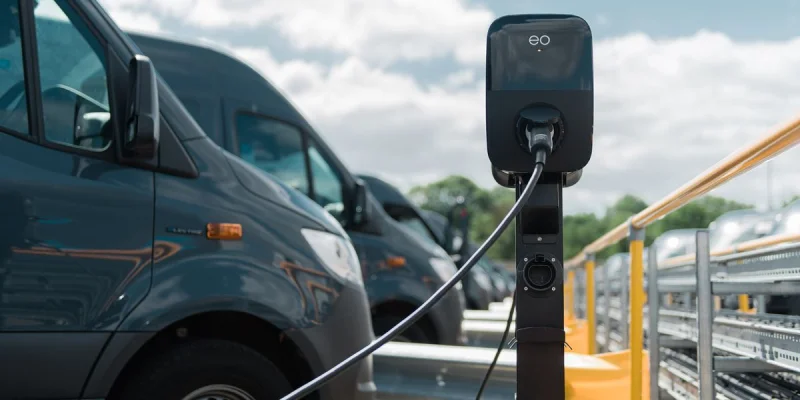
Pod has acquired EO Charging in a move it described as a dramatic expansion of its commercial fleet and depot charging business. The deal brings together Pod’s consumer charging base and EO Charging’s specialist software for businesses, with Pod saying the combined operation will support depot charging operators as well as existing customers.
The announcement lands as electric vehicle adoption keeps climbing, with one in four new cars sold now being electric. Pod said customers already using EO Charging will continue to receive stable and uninterrupted service, even as the company begins to widen its offering for fleet operators.
Melanie Lane said the company was delighted to welcome EO Charging into the Pod family at a moment when fleet electrification is gathering pace, and said EO’s depot charging capabilities complement Pod’s strengths in smart charging and flexibility. She added that the move expands Pod’s role at the centre of the UK’s shift toward smarter, more connected electric mobility.
EO Charging’s software is designed to help businesses manage charging and optimise energy use, a capability that has already helped it win partnerships with Amazon, DHL and Tesco. Pod has built a substantial UK presence over 17 years, with more than 300,000 customers and home and workplace chargers that help power over five million miles every day.
The deal comes at a critical time for the electric vehicle industry. Businesses trying to electrify fleets across the UK and Europe are running into limited grid capacity and lengthy connection times, while many households and businesses are still choosing to invest in EVs and personal chargers to avoid relying on the UK’s public charging network.
For Pod, the acquisition is a clear bet that the next phase of the market will be won not just by more chargers, but by better control of when and how power is used. The company is now trying to turn a consumer charging foothold into a broader role in the infrastructure behind fleet electrification, and the success of that shift will depend on whether it can keep service steady while scaling fast.
