


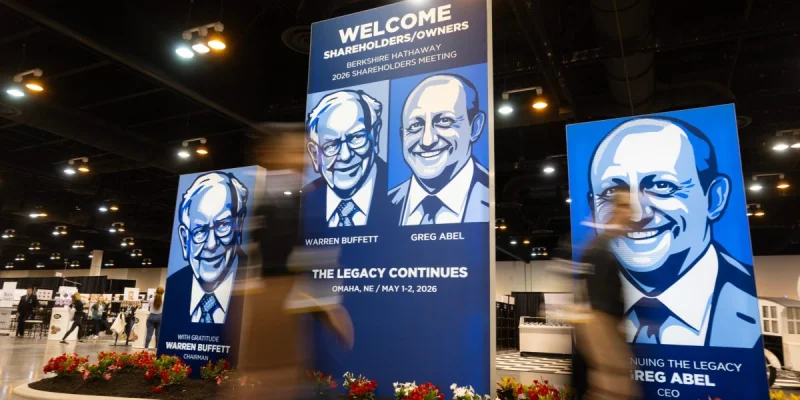
Berkshire Hathaway's first quarterly stock filing under Greg Abel showed a sharper, more active portfolio shift than many investors had expected. The company completely sold out of Amazon and Domino's Pizza in the first quarter, while more than tripling its stake in Alphabet.
The filing, released after the closing bell on Friday, May 15, gave investors the first clear look at what Abel-led Berkshire may look like after Warren Buffett retired as CEO on Dec. 31. Berkshire bought 36,403,656 Class A shares and 3,585,215 Class C shares of Alphabet, lifting the position to about $23 billion as of May 15 and making it one of the firm's biggest holdings.
That move matters because Berkshire did not simply prune a few positions. Form 13F filings showed Abel completely exited 16 positions in the first quarter, roughly a third of Berkshire's portfolio. The exits included stakes in six Japanese stocks, along with longtime holdings such as Visa, Mastercard and UnitedHealth Group, while Chevron was cut by 35 percent. Berkshire also added Delta Air Lines and Macy's as new positions, and nearly tripled its stake in Co.
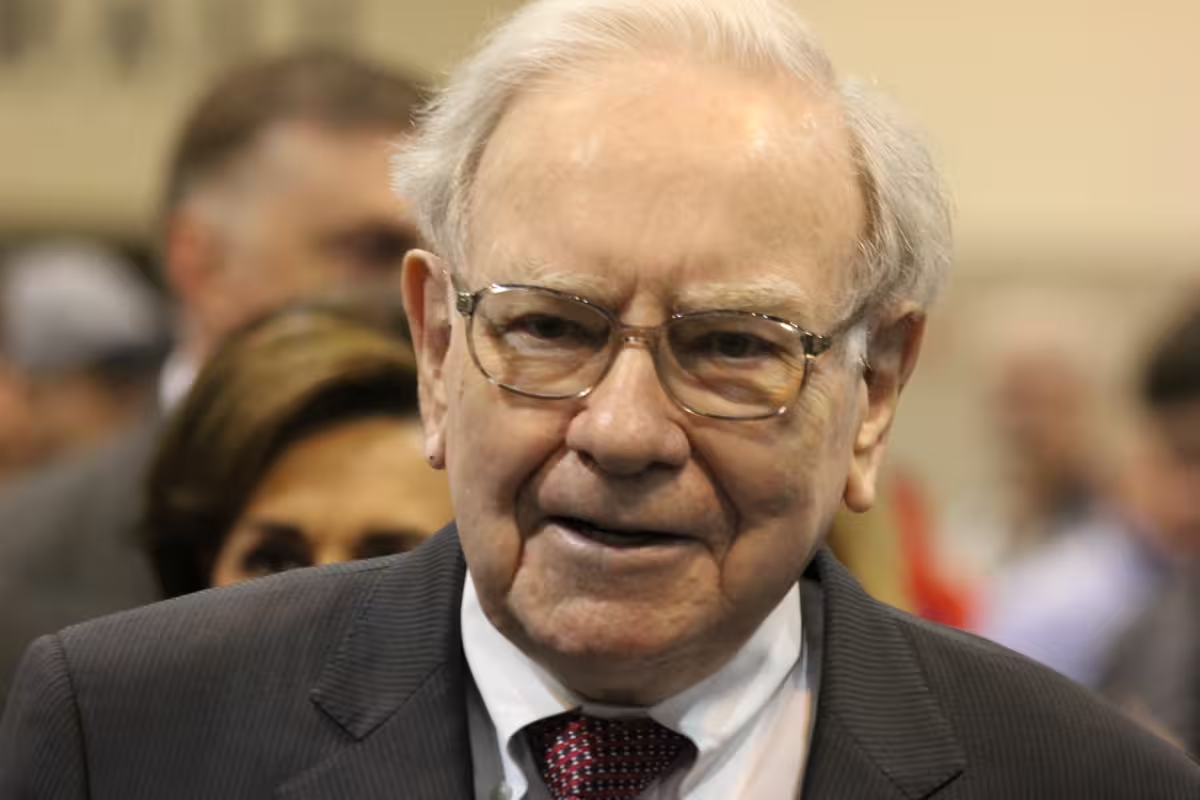
The changes follow a December-ended quarter in which Berkshire already cut its Amazon position by 77 percent. Domino's Pizza had been bought for six consecutive quarters before the company sold out entirely, a reminder that the latest filing is not just a routine rebalancing but part of a broader reset in how the conglomerate is allocating capital after Buffett stepped aside.
Alphabet stands out most in the new lineup. Google's search business still handles roughly 90 percent of worldwide internet search traffic, and Google Cloud is the world's No. 3 cloud infrastructure service platform by total spend. Its high-margin growth rate was 63 percent in the first quarter compared with the previous year, giving Berkshire a larger foothold in one of the few technology names it has chosen to expand aggressively.
The question now is not whether Berkshire is changing, but how far Abel is willing to push it. The first filing under his watch suggests a manager prepared to move faster than the stereotype of Buffett-era patience, even as the company's biggest bets still lean on businesses with dominant market positions and durable cash flow.
