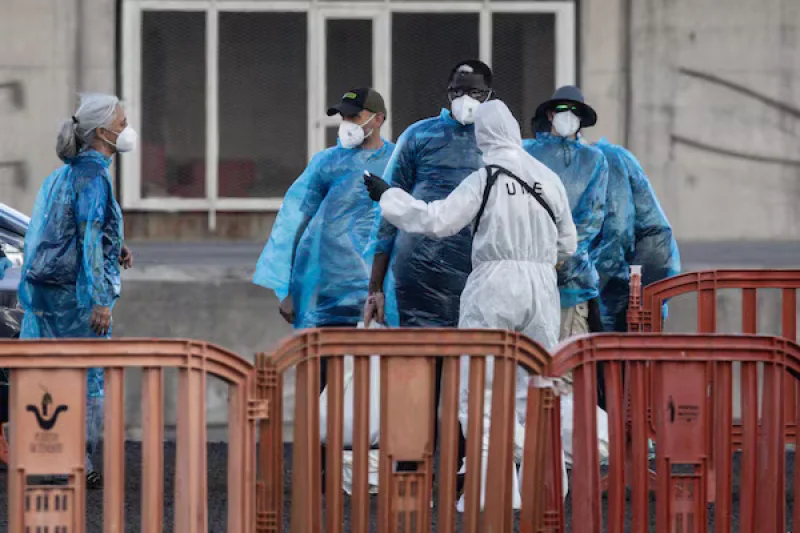
A rare hantavirus outbreak linked to the MV Hondius cruise ship has prompted international health monitoring after three deaths and a cluster of confirmed and probable cases among passengers and crew. Health authorities say the outbreak involves Andes hantavirus, an uncommon strain notable because it can spread between people after prolonged, close contact, although the broader risk to the public remains low.
Cruise Ship Cluster Draws Global Health Response
The outbreak was first flagged to international health officials on May 2 after severe respiratory illness was identified among people associated with the Dutch-flagged MV Hondius. The vessel had departed Ushuaia, Argentina, on April 1 with passengers and crew from 23 countries, creating a complex contact-tracing effort across multiple jurisdictions.
As of the latest public updates, the cluster includes eight confirmed cases and two probable cases, with three deaths. The affected group includes passengers and crew who traveled on the ship or had close contact with infected individuals during evacuation, medical care or onward travel.
The ship later docked in Rotterdam, where disinfection and health-control procedures were being carried out. Medical staff and other contacts in several countries have been placed under monitoring or quarantine depending on exposure level, symptoms and local public health rules.
Why Andes Hantavirus Is Different
Hantaviruses are usually linked to rodents, with people becoming infected after exposure to contaminated droppings, urine, saliva or nesting materials. Many strains do not spread from person to person. Andes virus is the key exception, with rare transmission documented after close, prolonged contact with an infected person.
That distinction has shaped the response to the cruise ship outbreak. Public health teams are not treating the event like an airborne pandemic threat, but they are taking it seriously because a confined vessel, shared cabins, medical evacuations and international travel can complicate containment.
Symptoms can take weeks to appear. Monitoring periods may extend up to 42 days because hantavirus illness can develop after a long incubation window. Early symptoms may resemble flu-like illness, including fever, fatigue and muscle aches, before some patients develop serious breathing problems.
No Evidence Of Wider Public Spread
Health officials have emphasized that the outbreak does not currently indicate a broad public-health emergency. No mutations have been identified that suggest the virus has become more transmissible or more severe, and the general population risk remains low.
That message is important because the word “hantavirus” can cause alarm, especially after a fatal cruise ship cluster. The known transmission pattern still requires specific exposure conditions. Casual public contact is not considered the main concern; close contact with a symptomatic patient or exposure to infected rodents remains the higher-risk scenario.

Several countries are now monitoring passengers, crew members, medical personnel and travel contacts who may have been exposed. Some U.S. residents are being followed for symptoms, while one Canadian case linked to the ship has been confirmed. A separate hantavirus death in Colorado has been described as unrelated to the MV Hondius outbreak.
Experimental Treatment Added To Response
Britain has received an experimental antiviral drug from Japan to strengthen its treatment options for severe or early-stage hantavirus cases. The medicine, favipiravir, is not licensed in the United Kingdom for hantavirus treatment and would be used only under specific medical circumstances.
There is no widely established cure for hantavirus disease. Treatment typically focuses on rapid diagnosis, hospital care, oxygen support and intensive management when lung complications develop. The potential use of an experimental antiviral reflects the severity of the ship-linked outbreak, not a sign that the virus is spreading widely.
Because the best outcomes depend on early recognition, exposed travelers are being told to report symptoms promptly. Fever, muscle aches, sudden shortness of breath or worsening respiratory illness after possible exposure should be treated as urgent warning signs.
Cruise Timeline Complicates Contact Tracing
The MV Hondius case is unusually difficult because of its route and passenger mix. The ship traveled through remote areas after departing southern Argentina, and some passengers disembarked or continued travel before the outbreak was fully understood.
That timeline forced health agencies to work across borders, airlines, ports, hospitals and quarantine systems. The response includes identifying people who were on the ship, tracking those who left earlier, monitoring close contacts and reviewing possible exposure during medical transfers.
Investigators are still assessing the likely source. Rodent exposure before boarding, during travel in South America or through contaminated materials remains under review. Person-to-person spread may explain some secondary cases, but public health officials have not presented every infection route as settled fact.
What Travelers Should Know Now
The outbreak has raised concern in the cruise industry, particularly for expedition travel that takes passengers into remote environments where medical care and evacuation can be more complicated. The MV Hondius situation does not mean cruise travel broadly carries a high hantavirus risk, but it does show how rare infections can become difficult to manage when symptoms emerge at sea.
Travelers returning from affected itineraries should follow instructions from health authorities and complete monitoring even if they feel well. People not connected to the ship do not need to change daily routines because of this outbreak, but anyone cleaning rodent-contaminated spaces should avoid stirring up dust, ventilate enclosed areas and use proper protective methods.
The most important development now is whether additional cases appear during the remaining monitoring window. Health officials are watching for late-onset illness among exposed passengers, crew and contacts, while the ship undergoes disinfection and the international investigation continues.