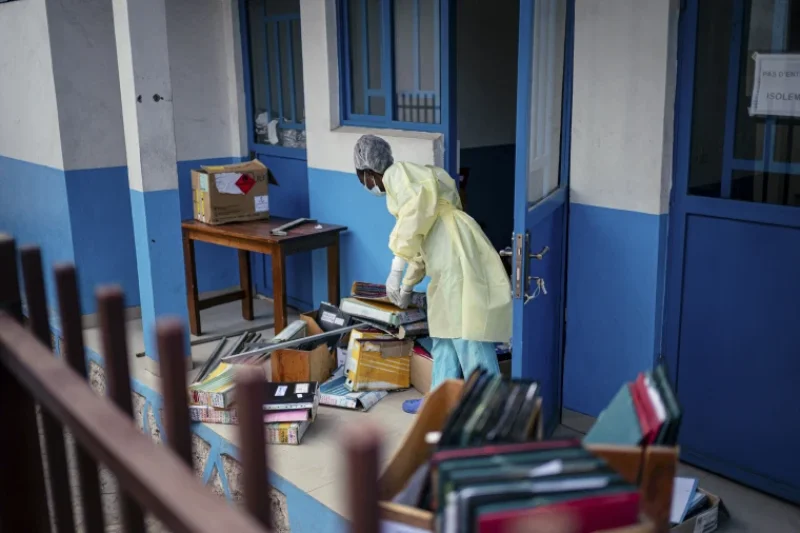
Ebola is a severe and often fatal disease spread through direct contact with the bodily fluids of an infected person. There are six known virus species linked to Ebola, but only three cause most large outbreaks: Ebola virus, Sudan virus and Bundibugyo virus — the last of which is driving the current 2026 epidemic.
Bundibugyo is one of the less common types of Ebola and this is only the third time it has been implicated in a known outbreak. Bundibugyo was discovered less than 20 years ago in western Uganda, and experts believe fruit bats are the likely carriers of the virus. Critically, unlike other Ebola strains, there are currently no approved vaccines or treatments for Bundibugyo.
Ebola Symptoms to Know
Like other types of Ebola, the Bundibugyo virus causes hemorrhagic fever. Early symptoms resemble most viral illnesses: fever, headache, sore throat, fatigue and achy muscles. As the virus progresses, people also experience severe stomach complications including vomiting and diarrhea.
Ebola fatality rates have varied in past outbreaks from 25% to 90%, with an average death rate of around 50%. The fatality rate for the Bundibugyo strain specifically is estimated to be between 25% and 40%.
Ebola Outbreak 2026: Scale, Spread and Alarming Case Counts
The earliest suspected case was a man who began experiencing symptoms on April 24, 2026 and died three days later. The WHO was alerted on May 5, but initial tests came back negative because they were only designed to detect the Zaire strain, not Bundibugyo. The first confirmed positive tests came back on May 14, 2026.
As of Tuesday, May 19, 2026, there have been 131 deaths linked to the current outbreak, according to the DRC's health minister Dr. Samuel Roger Kamba, with more than 500 suspected cases. Three treatment centers are being opened in the affected region to increase capacity.

Confirmed or suspected cases now span at least three health zones in Ituri Province — Bunia, Rwampara and Mongbwalu — and two laboratory confirmed cases have been reported in Kampala, Uganda, among individuals who had travelled from the DRC.
WHO Declares Ebola Outbreak 2026 a Public Health Emergency of International Concern
On Sunday, May 17, 2026, the WHO declared the Ebola outbreak in the DRC and Uganda a public health emergency of international concern. The outbreak does not yet meet the criteria of a pandemic emergency, but with a rising number of cases, more than 130 deaths, and no approved vaccine, fears are mounting over how effectively the spread can be contained.
The WHO warned there are significant uncertainties about the true number of infected persons and the geographic spread of the event. It also flagged that fighting the virus will be especially difficult in a region recently destabilised by ongoing conflict.
American Missionary Tests Positive — US Invokes Title 42
An American working in the DRC tested positive for Ebola on May 17, 2026. The international charity Serge reported the individual is a Christian missionary physician named Dr. Peter Stafford. His wife, Dr. Rebekah Stafford, and another physician — both of whom were treating patients when the outbreak began — are being monitored for symptoms but are currently asymptomatic.
The same day, the CDC invoked Title 42 — a public health law that restricts entry into the US during outbreaks of communicable diseases — for at least 30 days. Title 42 has been on the books since 1944 but has been used only twice in the modern era, the first time during the Covid-19 pandemic from 2020 to 2023.
Why This Ebola Outbreak Was Detected So Late
Health experts were alarmed that the outbreak had already progressed to hundreds of suspected cases by the time it was first officially reported. Epidemiologist Jennifer Nuzzo speculated that the delay in detection could be a result of cuts to global health programs.
The number of cases and deaths seen in such a short timeframe, combined with spread across several health zones and now across an international border, has been described as extremely concerning by Doctors Without Borders, which is scaling up its response in Ituri Province. "In Ituri, many people already struggle to access health care and live with ongoing insecurity, making rapid action critical," the organization said.