


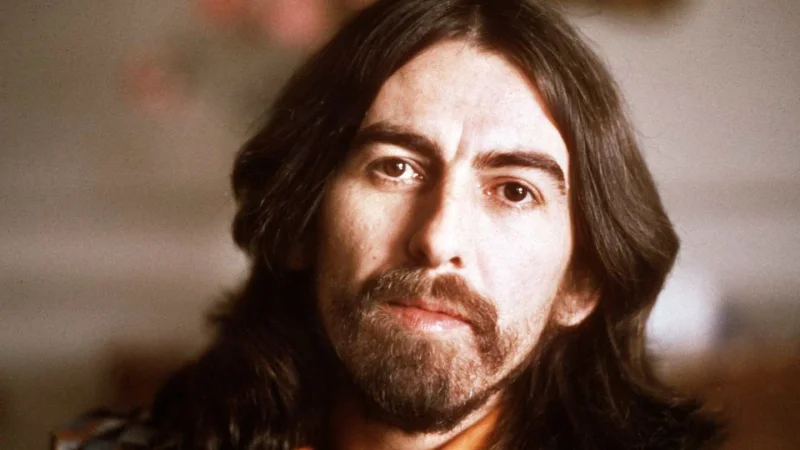
George Harrison, the youngest Beatle and the man many fans called the quiet Beatle, died leaving behind a Songbook that still shapes popular music. Born in Liverpool, England, in 1943, Harrison helped ignite a musical revolution in the 1960s before walking away from The Beatles in 1970 and building a solo career of his own.
His best-known songs — Something, Here Comes the Sun and While My Guitar Gently Weeps — became part of the sound of an era that changed the way listeners heard rock music. Harrison was only a teenager when he joined the group, but he was already bringing a distinct voice to a band that would alter the landscape of popular culture.
What set him apart was not volume but restraint. Harrison’s songwriting and personal beliefs were marked by depth, peace and human connection, qualities that ran through both his music and the way he lived. His growing fascination with Indian music, meditation and spirituality also reached far beyond his own records, helping push those influences into mainstream Western music at a time when few major pop figures were doing the same.
By 1970, Harrison called it quits with The Beatles and moved into a solo career, a break that made room for the fuller expression of his ideas. That shift mattered because it showed he was never simply the band’s quietest presence; he was also one of its most original. The music he left behind carried the emotional weight of someone searching for calm in a loud world, and finding it often enough to turn that search into Song.
Harrison’s final words reflected the peaceful outlook that shaped his life and the lyrics he wrote, closing the circle on a career that fused melody, devotion and restraint. For listeners still coming back to his work, the answer is already there: his legacy endures because he made music that felt private and universal at the same time.
