


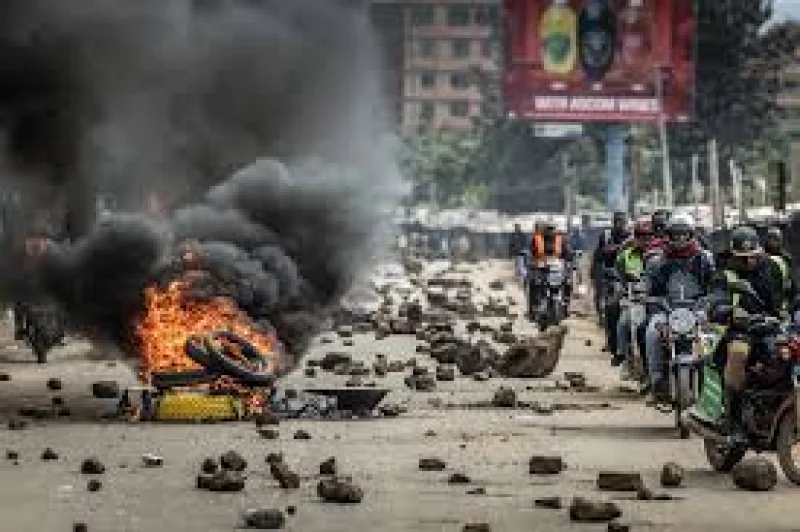
Transport operators across Kenya began a nationwide strike on Sunday over rising fuel prices, pulling city buses, matatus, motorcycle taxis, taxis and cargo transporters off the roads and disrupting daily movement in towns and cities.
The Transport Sector Alliance said all vehicles under participating associations would stay off the road from midnight on Sunday, making the nationwide action fully on for Monday. The group said the strike had support from passenger transport operators, cargo and logistics companies, ride-hailing services, boda boda operators, tourism transport providers, driving schools, school buses and even private motorists, and claimed it had a 99 percent success rate.
The immediate weight of the protest was visible in how broad it became. The Federation of Public Transport Sector, the Matatu Owners Association, the Truckers Association of Kenya, the Digital Taxi Association of Kenya and the Association of Bus Operators were among the groups behind it, while schools issued notices warning parents that student transport services could be disrupted. That scale matters because transport is not a side issue in Kenya: when the fleets stop, workers miss shifts, cargo sits idle and families start counting the cost in the same day.
The strike followed new fuel prices announced by the Energy and Petroleum Regulatory Authority for the period from 15 May to 14 June. In Nairobi, petrol rose by 16.65 shillings to 214.25 shillings per litre, while diesel rose by 46.29 shillings to 242.92 shillings per litre. The transport groups rejected the increase announced on 14 May and called for an immediate reversal, saying fuel and diesel should be brought down to 152 shillings per litre and that all petroleum products should be standardized at the same price as kerosene, which was 152.78 shillings per litre.
The demand shows how far the dispute has moved beyond operators alone. In a statement shared by the alliance, the group said the action was not just about transport workers but about ordinary Kenyans who are paying more for transport, food, electricity and essential goods. It also said farmers, business owners, workers and consumers around the country had already lined up behind the protest and were expected to take part in demonstrations in towns, shopping centres and local communities.
The pressure now falls on whether the price move can be reversed or whether transport groups keep the shutdown in place. For passengers, schools and businesses, the answer is immediate: Monday began with a transport system that had been deliberately taken off the road in protest over fuel costs, and the disruption was the point.
