


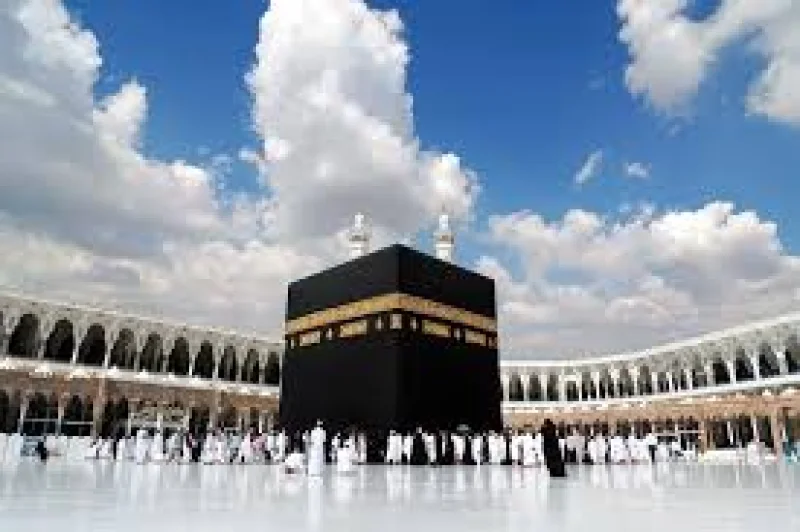
Eid Al-Adha will be celebrated on Wednesday May 27 after the crescent moon of Dhul Hijjah was sighted on Sunday evening, setting the calendar for one of the most important dates in the Islamic year. The sighting was announced in Riyadh and marks the start of Dhul Hijjah, the month in which Hajj takes place.
The next major date is Tuesday May 26, when the day of Arafat will take place, followed by Eid Al-Adha the next day. For Muslims around the world, the announcement matters because Hajj, the fifth pillar of Islam, is expected once in a lifetime for those who have the physical and financial capacity to make the pilgrimage.
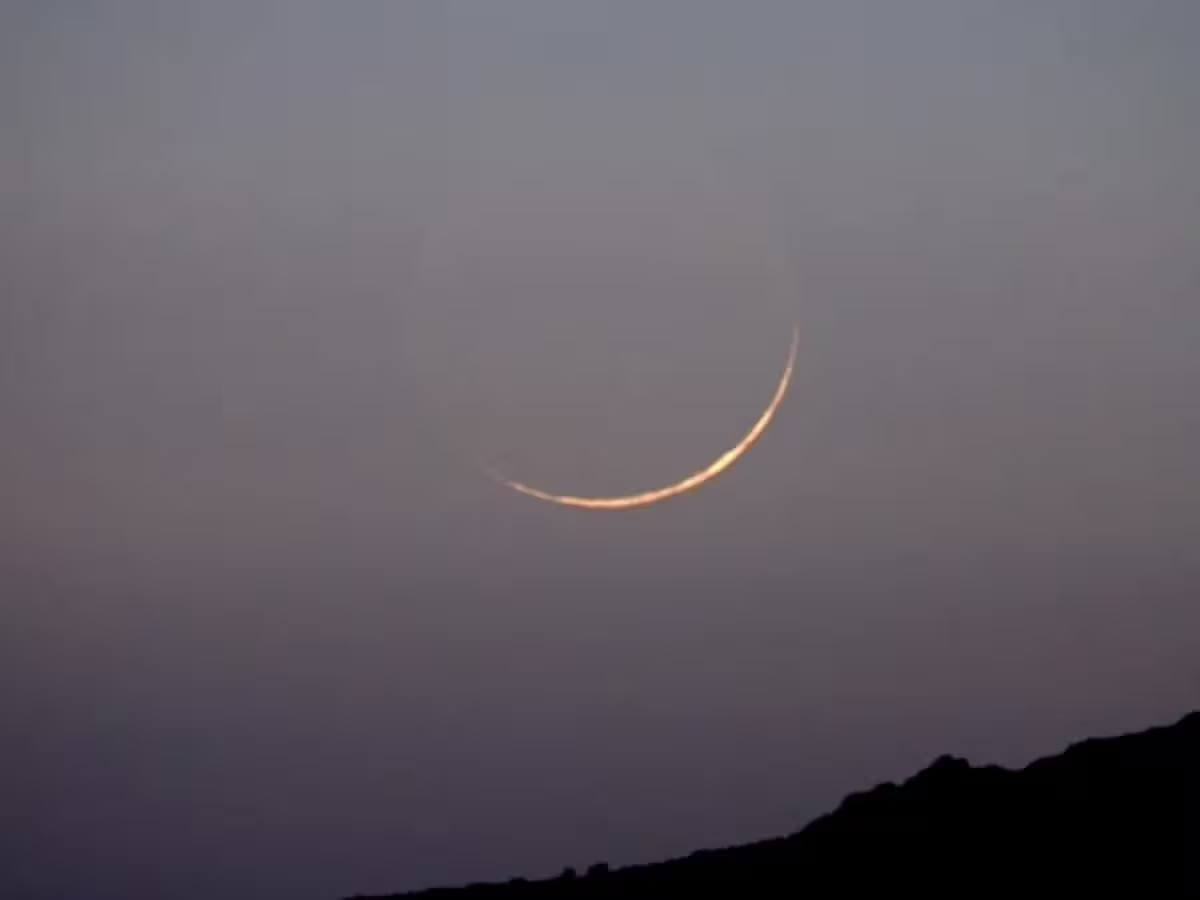
Dhul Hijjah is the final month in the Islamic lunar calendar, and its beginning sets the pace for the rest of the season's rituals. The moon sighting on Sunday evening in Riyadh fixed that timetable, turning expectation into dates that pilgrims and worshippers can plan around. The sequence is now clear: Arafat on Tuesday, Eid on Wednesday, and the rites of Hajj continuing in the month ahead.
There is a quiet tension in every such announcement, because the calendar only settles after the sky does. Until the crescent is seen, the dates remain provisional in practice even when the season is expected. This year, the sighting removed that uncertainty and locked in the observance of Eid Al-Adha for Wednesday May 27.
For families preparing for the holiday and for pilgrims already organizing the days around Hajj, the message from Riyadh is straightforward. The sacred month has begun, the day of Arafat is next, and Eid will follow immediately after. For millions, the wait ends now.
