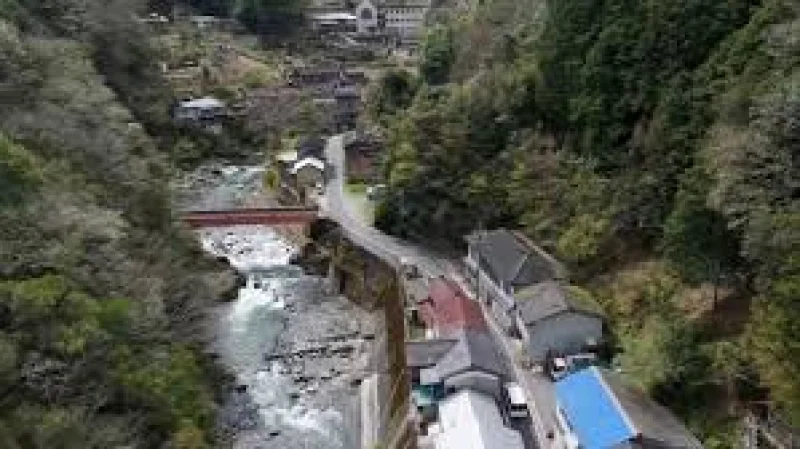
Japan’s empty houses are no longer a quiet background problem. They are now part of a much larger national story about abandoned homes that have spread across the country, turning once-lived-in properties into what are widely described as ghost houses.
The latest coverage frames the issue as shocking not because vacant homes are rare, but because the scale has become impossible to ignore. The focus is on millions of homes in Japan that now stand empty, a figure that points to a housing reality far beyond a few neglected buildings on a side street.

That matters today because the question is not simply why a single house was left behind. It is why so many houses across Japan have been abandoned at the same time, and why the trend has become visible enough to draw renewed attention now. In a country known for dense cities and tightly managed neighborhoods, rows of unused properties change the look and feel of communities in a way that is hard to miss.
The source material provided here does not include the full body of the report, so there are no named residents, interviews, dates, or local details to anchor the broader explanation. What is clear is the frame: a nationwide rise in vacant homes that is being described as shocking, and an effort to understand how ghost houses became such a widespread feature of the landscape.
The central unanswered point is still the practical one. If millions of houses are empty now, the next step is what Japan does with them — because the longer they sit unused, the more the problem stops being about housing and starts becoming about decay, land use, and the future of entire neighborhoods.