


A review of HS2 is expected to conclude that the rail project failed in part because it chased the highest possible speeds and was pulled off course by political pressure. The report, written by former National Security Adviser Sir Stephen Lovegrove, is also expected to examine what the upheaval has meant for the civil service and the wider public sector.
The findings are due this week, and they come as ministers prepare to set out the next stage of a project that has been repeatedly redesigned, delayed and scaled back. Lovegrove is expected to agree with an earlier review that HS2’s original sins included shifting political priorities and ballooning costs, while also highlighting how the high-speed concept was gold-plated into a bespoke and heavily engineered scheme.
That matters because HS2 was not built to become a prestige project. Its main purpose was to add capacity to an overcrowded rail network, but the line has become a case study in how ambition can outpace delivery. Initial plans were first confirmed in 2012, with routes from London to Birmingham and then on separate lines to Leeds and Manchester. The government cancelled the eastern leg to Leeds in 2021 and ditched the section between Manchester and Birmingham two years later.
Transport Secretary Heidi Alexander asked HS2 bosses in March to look at lowering top speeds to save money, after earlier saying she was determined to explore every opportunity to bring down costs and delivery timetables, including reducing the maximum speed. HS2 was designed for trains to run at up to 360 km/h, or 224 mph, but officials had also examined a lower-speed option of 220 km/h to 300 km/h as part of the effort to rein in the bill.
Alexander is expected in the coming days to confirm that trains will not start running by the current target date of 2033, and to set out an updated price tag for the line. The overall cost has widely been expected to exceed £100bn, underscoring how far the project has drifted from its original pitch.
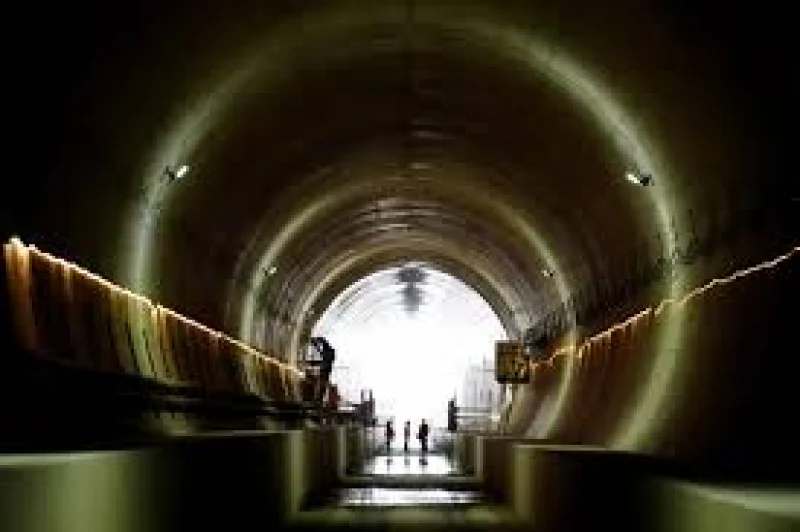
There is also a practical tension at the heart of the reset. HS2 is already in its peak construction phase, even though it will be years before the first passengers board. A 10-mile tunnel under the Chilterns has been completed, as has the Colne Valley viaduct, while HS2 Ltd has previously said it would slow or pause work on the line towards Handsacre so it could focus spending on areas that had fallen behind.
Alexander has framed the latest effort in stark terms. In June 2025, she said that after “a litany of failure” she was “drawing a line in the sand” and that the government would get HS2 delivered. The Lovegrove review is expected to sharpen the judgment behind that pledge: the problem was not only cost, but the way successive governments kept asking the project to be bigger, faster and more exacting at the same time. The question now is not whether HS2 survives, but whether it can still be delivered as a rail line rather than a monument to what went wrong.
