


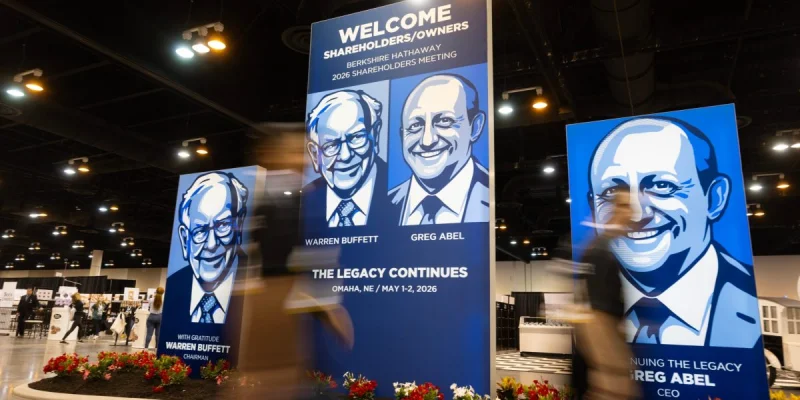
Warren Buffett’s departure from the chief executive post at Berkshire Hathaway is starting to show up in the numbers. In Berkshire’s first-quarter filing, released after the closing bell on Friday, May 15, the company disclosed a fresh stake in Delta Air Lines as Greg Abel took control of the conglomerate’s day-to-day operations and investment portfolio.
The filing gave Wall Street its first look at what an Abel-led Berkshire may look like, and it was not a cautious handoff. Berkshire also added Macy’s, more than tripled its stake in Alphabet and cut Chevron by 35 percent, while completely selling out of Amazon and Domino’s Pizza and exiting 16 positions overall. The moves suggest the new regime is already willing to make sharp shifts in one of the market’s most closely watched portfolios.
Berkshire bought 36,403,656 Class A shares of Alphabet and added 3,585,215 Class C shares, bringing its stake to about $23 billion as of May 15. That position matters because Alphabet remains a central force in internet search traffic, and Berkshire’s move further deepens exposure to one of the market’s dominant businesses. The first-quarter filing also showed exits from six Japanese stocks, underscoring how broad the repositioning was during the period.
The changes come after Buffett retired as Berkshire’s CEO on Dec. 31, closing a six-decade era and leaving Abel with a portfolio that investors have long assumed would not be managed in exactly the same way. That assumption now looks justified. Berkshire did not merely trim and tinker; it reworked parts of the book in ways that point to a cleaner break from the prior quarter’s holdings.
There is still a disconnect between the scale of the changes and the silence around the reasons for them. Berkshire’s filing showed what was bought and sold, but not why Delta was chosen, why Amazon was erased or why Chevron was cut so sharply. For investors, the unanswered question is less about whether Abel has the authority to move quickly than about how often he intends to use it.
