


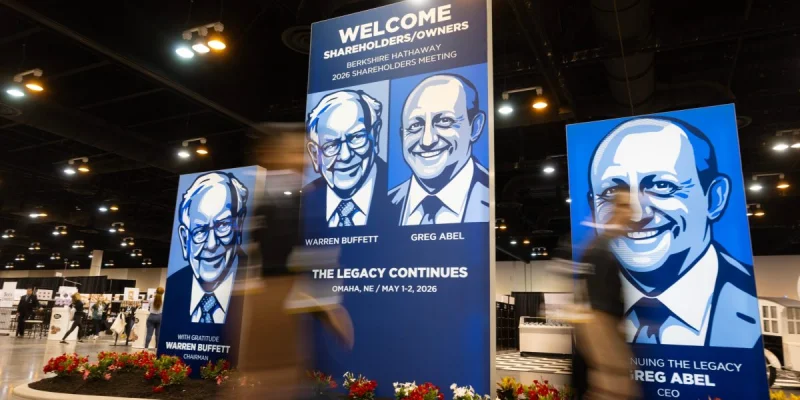
Greg Abel Berkshire portfolio changes are drawing fresh scrutiny as investors look for clues about how Berkshire Hathaway may evolve under its next chief executive. The question is not just what the conglomerate bought or sold, but whether the shifts hint at a new style of capital allocation once Warren Buffett is no longer running the company.
That matters today because Berkshire is still one of the most closely watched companies in the market, and any change in its investing pattern can move sentiment well beyond Omaha. Abel, 62, has spent years as one of Buffett’s most trusted lieutenants, but the market has not yet had to judge him in the chair Buffett made famous. Investors are now trying to read the portfolio for signs of continuity or change.
Berkshire has long been associated with patience, size and a willingness to hold cash when better bargains are scarce. That approach helped make the company a benchmark for discipline, and it also means even modest adjustments in its holdings can be treated as a message. For shareholders, the interest is especially acute because Berkshire’s portfolio is not just a list of securities; it is a public record of how the company sees value.
The tension is that no filing or trade can fully answer the bigger question hanging over the company. Abel has been part of Berkshire’s leadership for years, yet the market still does not know how much of the old playbook will remain untouched once he is the one making the final calls. A portfolio can show preference, but it cannot show instinct, and instinct is what investors are really trying to price.
That leaves Berkshire in a familiar but delicate position. The company’s next chapter is approaching, the spotlight is already on its investment decisions, and the latest greg abel berkshire portfolio changes are being read as more than routine housekeeping. They are a reminder that at Berkshire, even a trade can become a signal about the future.
