


President Donald Trump said Sunday that U.S. gasoline and oil prices will fall fast when the war with Iran ends, even as fuel costs remain elevated after a sharp run-up tied to the Strait of Hormuz. On May 11, the national average for regular gasoline stood at $4.50 a gallon, up from $2.94 on Feb. 23.
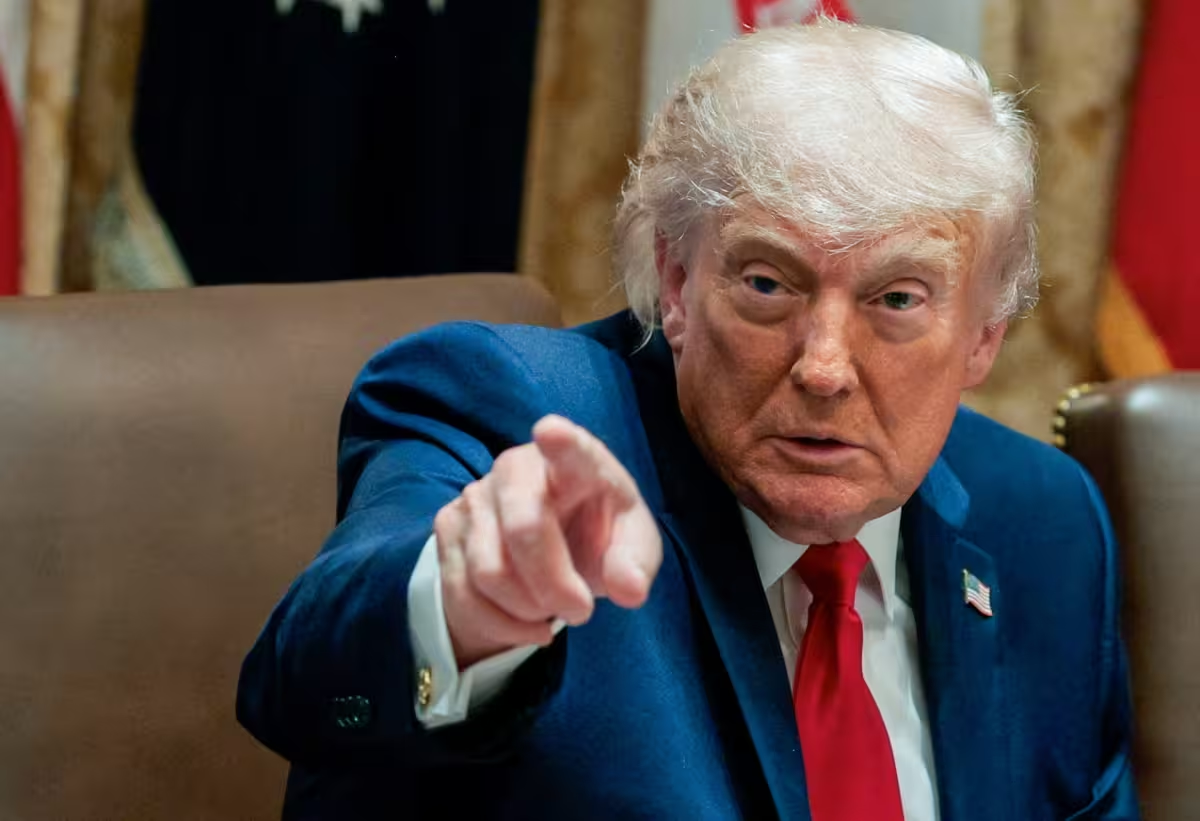
The increase of $1.56 a gallon, or 53%, has landed at the center of a political and economic fight over whether drivers will see relief in days, weeks or much longer. Trump said on May 11, “As soon as it’s over, you’re going to see gasoline and oil drop like a rock.” He had already said on May 1 that prices were going to come down lower than they were and that they would “snap back very, very quickly.”
Scott Bessent, the Treasury secretary, struck a similar note on May 4, saying gasoline prices are going to come down very quickly at the end of the conflict with Iran and calling the spike a temporary aberration that would be over in a matter of weeks or a month. But Patrick De Haan, who tracks retail fuel trends, said it could take beyond a year for pre-war prices to show up again, even if reopening the strait has a fairly quick effect on pump prices.
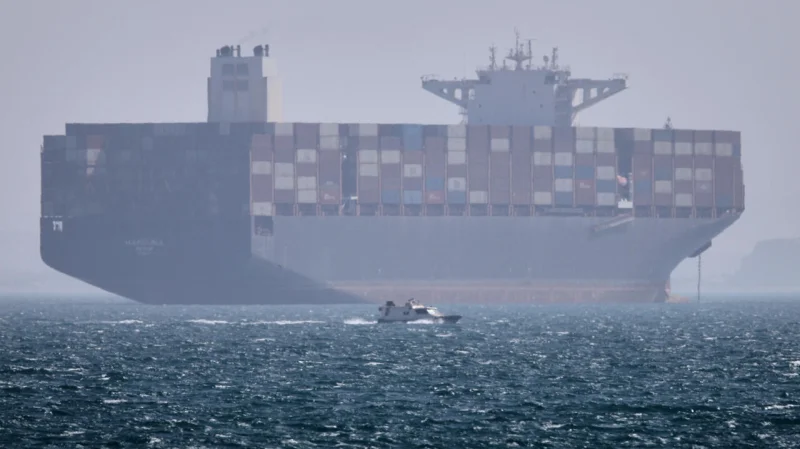
The dispute matters because the Strait of Hormuz is one of the world’s most important energy chokepoints. About 20 million barrels of oil and oil products moved through the waterway each day in 2025, roughly one-quarter of global seaborne oil trade. After Iran blocked the strait in response to the joint attack, gasoline prices spiked and oil prices increased as supply tightened. Mark Finley said the lesson is simple: if something goes wrong anywhere in the global oil market, the price goes up everywhere.
That is the tension inside the current hormuz strait news cycle. The White House is telling consumers the pain is temporary, but the market has already shown how fast a regional disruption can filter through to every gas station in the country. Because the cost of oil makes up about half of what drivers pay at the pump, even a partial recovery in supply can move prices quickly, but a full return to pre-war levels is a different matter.
Trump’s confidence is based on the idea that once the war ends and the blocked flow clears, pent-up oil will re-enter the market and drag prices down. De Haan said that when the strait opens in a meaningful way, it would likely have a fairly quick impact to start pushing prices down. The question now is not whether prices can ease, but whether relief arrives before consumers and businesses absorb months of higher costs.
