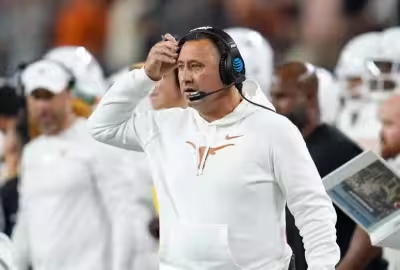
Scott Colom used his first town hall since winning a Republican-held Mississippi Senate seat to question whether American technology companies should keep recruiting workers from overseas. He said Americans ought to have greater chances to land technology jobs at companies such as Microsoft, putting the Democrats H-1B visa debate squarely in the open after his midterm win.
That matters now because Colom is not alone. Ruben Gallego has pushed for tighter oversight of corporations that hire H-1B workers while cutting American jobs, while Bernie Sanders has kept up his criticism of the program over alleged abuses. Ro Khanna has argued for changes to stop companies from using H-1B to displace American workers or underpay foreign employees, and Sherrod Brown is heading back to Washington after winning a Senate seat of his own.
Colom’s remark was especially striking because he put it in plain political terms. He said, in effect, that people probably had not heard a Democrat say that before. The line reflected how quickly the argument around H-1B has shifted from a niche fight over visas into a broader test of whether Democrats are willing to challenge major technology employers as layoffs and AI-driven disruption weigh on white-collar workers.
The pressure on the program did not come from one party alone. Chuck Grassley and Dick Durbin first introduced bipartisan legislation in 2007 to overhaul H-1B, and they brought it back in September 2025 with Bernie Sanders and Richard Blumenthal among the cosponsors. That measure sought stronger protections for American workers, more federal oversight and tougher limits on employers exploiting foreign workers. But even after Democrats won a sweeping midterm victory, the outlook for H-1B remains unsettled.
That is the friction running through the debate: Democrats have more leverage in Washington, yet the criticism is now cutting across party lines, which makes the old defense of the program harder to sustain. For companies that rely on foreign tech talent, the next major test comes when the 120th Congress convenes on Jan. 3, 2027. By then, the fight over H-1B may be less about whether the program needs change and more about how much of it Congress is willing to keep intact.