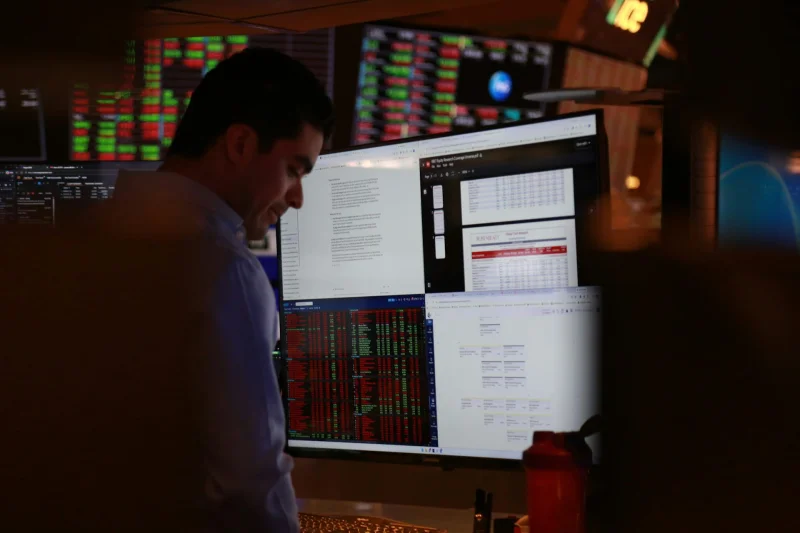
Nvidia’s board reinstated CEO Jensen Huang on Nov. 23, and the move sent the stock sharply higher after a rough stretch that had shaken the market. For Steve Eisman, the reversal matters because Nvidia has become one of the names most closely tied to the AI trade and to the retirement accounts that ride along with it.
The timing was the point. Just days earlier, on Nov. 20, stock markets including the NASDAQ were pummeled, and before the following Monday’s rebound the index had fallen about 18% since early October and more than US$4 trillion since Nov. 16. The broader S&P 500 had already given up all its gains for the year. In that kind of selloff, a single company’s swing can look isolated. In this one, it did not.
About 55% of U.S. families have a defined contribution retirement account such as a 401(k) or an individual retirement account, and many of those savers do not pick each holding one by one. Six in 10 plans administered by Vanguard signed workers up automatically in 2025 when they started a new job, and when Vanguard plans set a default investment, 98% of savers choose a target-date fund. About 60% of the nearly 5 million savers in those plans held a single target-date fund and nothing else, making the default the center of the retirement system for many workers.

That matters because those funds are not hiding from the market. Vanguard’s target-date series is built mainly from U.S. stocks, international stocks, U.S. bonds and international bonds, and the stock share changes with age. At the end of September 2026, Vanguard’s 2055 fund was just over 91% stocks, while the 2027 fund had only 16% in stocks for savers who expect to retire imminently. In other words, the younger the saver, the more the account is exposed to the kind of market that has been driving Nvidia and other AI-linked names.
Nvidia’s own week of shocks showed how quickly that trade can move. On Nov. 5, its shares fell more than 9% after the U.S. midterm elections raised the prospect of new curbs on AI and data centers, while the S&P 500 lost 4.4%. On Nov. 12, Nvidia announced that CEO Jensen Huang had resigned, and by the end of that week the company had lost more than $1 trillion in market value within a month. Then came the reinstatement on Nov. 23, followed by a rebound in the market by the next Monday. The message was not that the damage vanished. It was that the damage may have been temporary.
That is why the bigger question is still open. The recent swings fit neatly into the view that an AI bubble may be wobbling, but the board’s reversal and the market bounce also suggest the panic may have been overstated. For retirement savers sitting inside target-date funds, the risk is not a single bad day. It is whether the AI-driven volatility keeps feeding through the default portfolios many people never actively chose.