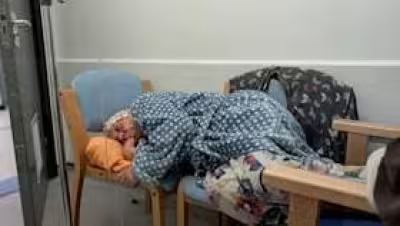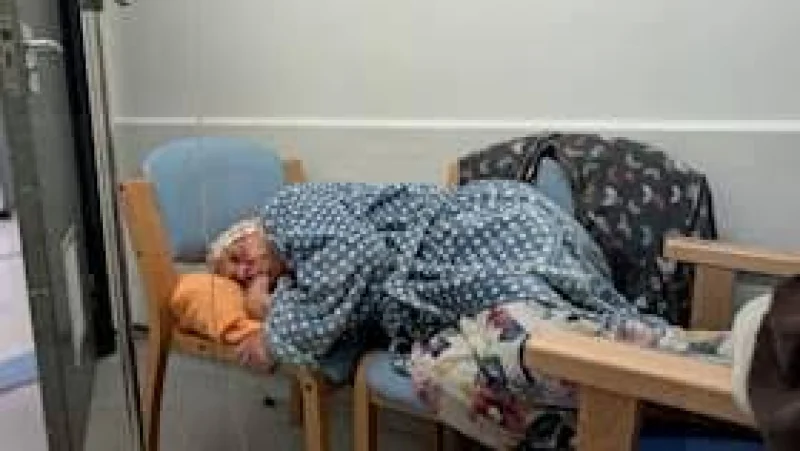
Nigel Wass says his 83-year-old mother spent almost two days in a chair at Lincoln County Hospital A&E while waiting for a bed, forcing him to bring her fluids, switch off alarms and find a wheelchair so she could use the toilet. The wait stretched to close to 48 hours on a summer visit, he said, and it was not the only time he saw the department under strain.
The case has landed as NHS figures show one in 20 patients using Lincolnshire's emergency departments waited longer than 12 hours for a hospital bed in the year to October. That is why Lincolnshire NHS A&E bed delays are back in focus now: this is not an isolated complaint from one family, but a problem that has affected a measurable share of patients across the county.
Wass said he accompanied his mother to Lincoln County Hospital seven times between May and August and found the emergency department overwhelmed on every visit. She was placed in a chair in a side room because she is immunosuppressed, he said, then left there while staff dealt with other pressures. He said there was no fresh water because the drinks machine had been broken for months.

His account sits alongside another family complaint from Paul Grantham-Rae, who said his 85-year-old mother spent 25 hours in a chair and then another seven on a ward before a bed was found. He said her leg wound soaked through her bandage because she takes blood thinners, blood dripped on to the floor and a nurse told him that knowing how much blood she had lost was a question they needed to ask. He said there was one stage when her lips were quite blue.
United Lincolnshire Teaching Hospitals NHS Trust apologised and said it continued to implement improvements, including faster patient assessment and more timely discharges to free up beds. That is the gap at the centre of these cases: the trust says it is working to improve flow, but families are still describing repeated visits, exhausted staff and waits that stretch from hours into days. Wass said the staff on the ground were amazing, but there were simply not enough of them, leaving him caring for his mother as best he could while she waited.
For patients and families, the unanswered question is no longer whether Lincolnshire has a bed-delay problem. It is how long the system can keep relying on relatives to do the work of stretched wards before those promised improvements make a visible difference.