


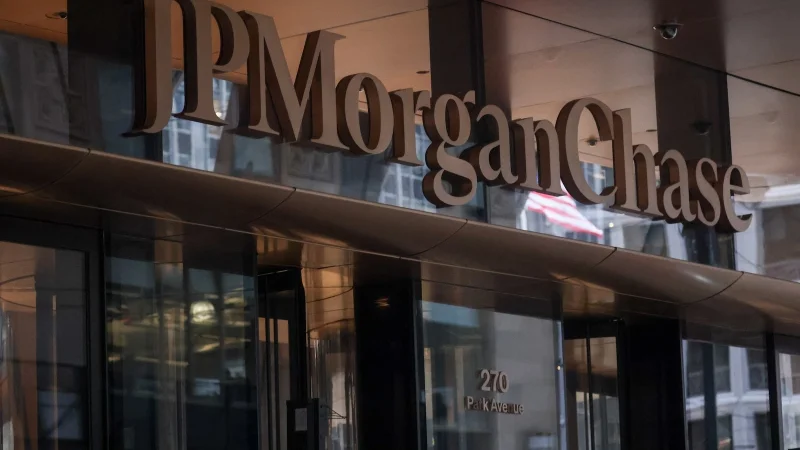
JPMorganChase said on Thursday morning that third parties who provide services to the bank were the target of a cyberattack, and that some customer names and email addresses may have been exposed through those vendors. The bank said there was no disruption to its services.
The disclosure lands now because it puts fresh pressure on a familiar question: whether a bank can promise stability to customers when the breach sits outside its own systems. JPMorganChase said it believes attackers accessed certain marketing data held by the vendors, not its payment network, and it said it will contact affected customers directly where appropriate and offer complimentary credit monitoring.
That reassurance matters because JPMorganChase is the largest U.S. bank, and customers have already been on alert after a string of recent tech outages affected air travel, email and hotel reservations, while slowing classified internal communications at the National Security Agency. Top Trump administration officials said this week there is no evidence those outages were the result of cyberattacks, but the wave of disruptions has sharpened public attention on any new breach report.

The part JPMorganChase did not explain is just as important as what it did. The bank did not name the third-party companies involved and did not say when the cyberattack occurred, leaving open how long the vendors may have been exposed before the investigation closed enough to notify customers. It also said it found no connection between the vendor breach and the service disruptions some customers experienced earlier in the week.
Visa said earlier this week that it was aware one of its third-party providers experienced a data breach, and said its systems were not involved and were not impacted, with no payment data such as card numbers affected. Mastercard said on Thursday that one of its third-party providers was hacked and that a limited amount of email addresses from a small subset of cardholders in a specific benefit program was exposed, while adding that there is no impact to the Mastercard payment network or to the ability for people to use their cards. Mastercard said the exposure has been contained.
For customers, the immediate issue is not whether a card will work. It is whether a name and email address that sat in a vendor file have now been pulled into a cybercrime case, and whether more banks will be forced to explain the same gap between outside service providers and their own core systems. JPMorganChase has said it will reach out where needed. The unanswered question is how many institutions are still learning that a breach can touch their customers without ever reaching their own network.