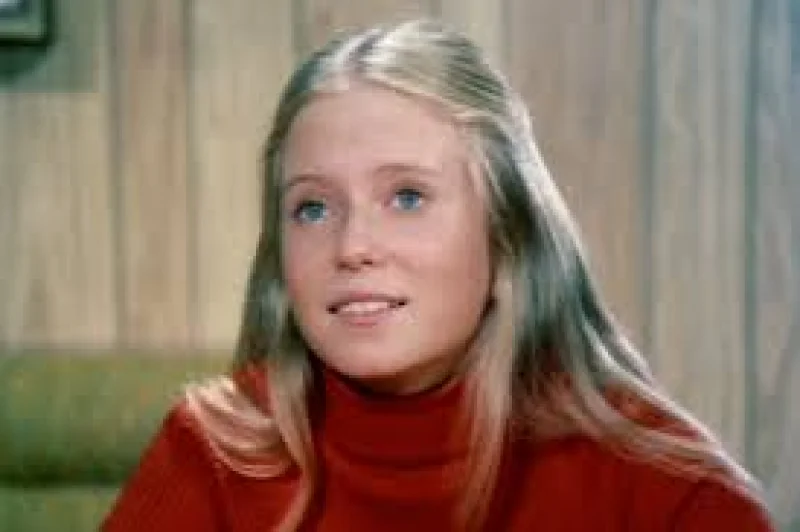
Eve Plumb says the money she earned as Jan Brady was protected by her family, and at 68 she is looking back with a regret that feels more personal than nostalgic. On a recent episode of Facts Verse, the actress said she wishes she had thanked her mother more and apologized for leaving home at 18 with a casual, “Bye.”
That memory is drawing attention now because it puts a human face on a business that often sounded glamorous from the outside but was far less lucrative than many fans assume. Plumb played middle daughter Jan Brady in The Brady Bunch from 1969 to 1974, and her comments arrive alongside a reminder of how little the child cast was paid by later sitcom standards.
Plumb said her father made the family’s approach sound simple: taking care of her money and taking care of her were part of what they did for their children. She said that when she once told him that, in another Hollywood family, they might have been sued for back pay, he answered that this was how they looked after their kids. That kind of arrangement matters because child-star earnings were often a family issue long before they became a personal one.

Barry Williams, who wrote about the show in Growing Up Brady, put numbers to the gap between the show’s popularity and the money the kids actually saw. He said the highest salary among the children in the fifth and final season was $1,100 a week, and the season had 22 episodes. Even at that top rate, the math comes to $24,200 for the full season, before commissions and taxes, which is a fraction of what later TV stars would make.
The rerun money did not offer much help for long. Williams said payments for later airings dried up shortly after filming ended, and the contracts often meant cast members were entitled to revenue from reruns only the first 10 times. That left the child actors with a brief burst of income and then a dry spell that came much faster than the show’s success might suggest.
Williams said some of the kids were also expected to help support their families, and that the money was enough for toys but hardly enough to get them through the slow periods that followed. The contrast is stark enough on its own, but it becomes sharper when set beside later sitcom deals in which the Friends cast was paid $1 million each per episode in the final season. Plumb’s reflection, then, is not just about gratitude. It is a reminder that the people who made The Brady Bunch feel like a permanent part of American television were often living on far less permanence in their own lives.
What remains unanswered is not whether Plumb’s family handled her earnings carefully; she says they did. The open question is how much of that money actually made it into her later life, and how many child stars of that era were as lucky as she believes she was.