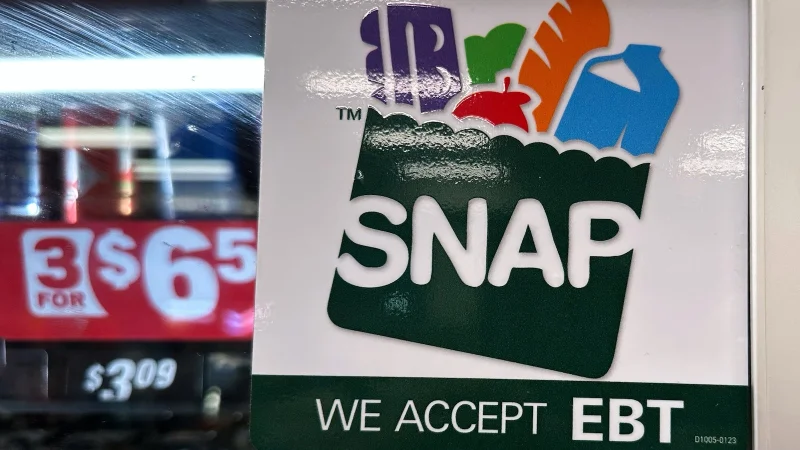
The Trump administration on Tuesday proposed a rule that would narrow access to the Supplemental Nutrition Assistance Program by limiting broad-based categorical eligibility, a move USDA says could strip benefits from over 6 million people. The same proposal could also keep nearly 2 million people from getting free school meals if their families do not meet new income rules.
The change matters now because it targets the largest food assistance program used by about 36 million Americans, and it could also reach WIC. Families would not see the rule take effect until 2029, but the 30-day comment period has started, putting the fight over who gets help buying groceries on the table right away.
Broad-based categorical eligibility, or BBCE, lets some families that receive Temporary Assistance for Needy Families support qualify for SNAP even if they are above the normal threshold for the program. A majority of states use that option to widen access, which is why the new proposal would go well beyond a technical adjustment. It would do away with eligibility for families receiving non-cash TANF support such as childcare subsidies and job training services.

USDA is framing the move as overdue. A spokesperson said broad-based categorical eligibility has bloated the welfare rolls for decades and let states take shortcuts while error rates grew. But advocates say the policy would cut off families with children from grocery help, including children who could lose school meals if their households no longer fit the new income test.
Under the Center on Budget and Policy Priorities' reading of the proposal, a family of three with income above $35,500 and receiving certain TANF aid could be ruled out of SNAP. Cindy Long said the rule would cut out a bunch of those services from getting people on SNAP, a blunt reminder that the issue is not whether aid exists, but who can still reach it.
The Trump administration has already reduced the rolls once this year under the One Big Beautiful Bill, which USDA says led to about 5 million people being terminated from SNAP. This new proposal would go further, and the real question is whether the administration can turn a rule that starts with a 30-day comment period into a final policy before 2029.