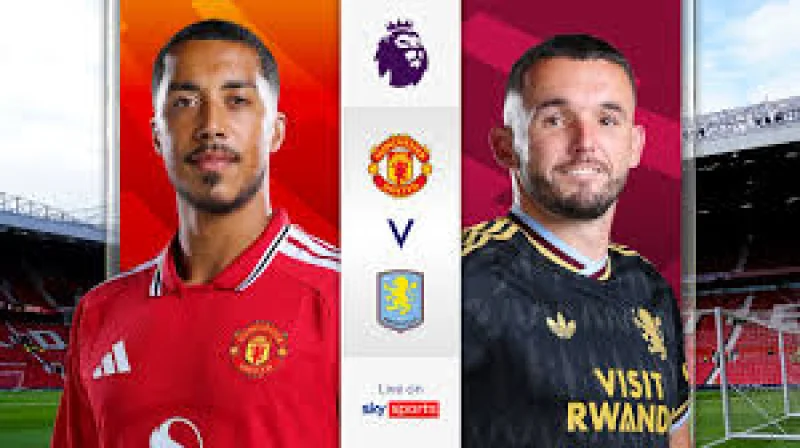
Manchester United took another step into a season already defined by pressure when they hosted Aston Villa in the Premier League, with Michael Carrick still being judged against a single league win from August. The backdrop to the match was not just the table. It was the question of whether a side that had just clawed back from two goals down against Roma could carry that rescue act into domestic football.
That search was sharpened by the Roma result on Tuesday, when Manchester United won 3-2 in the Champions League after trailing inside the opening 18 minutes. Matheus Cunha scored two goals, was later sent off for a second yellow card for excessive celebration, and yet the team still found a way to finish strongly enough to turn the night around. They prevented Roma from having a shot in the second half and won 41 duels after the break, their best second-half duel count in any game since half-time.

The numbers make the point Carrick needed most. United were far better after the interval than before it, but the full picture still starts with the first half, when they were exposed and left with the sort of deficit that most sides do not recover from. That is why the Villa match mattered immediately: the test was not whether Manchester United could find intensity for 45 minutes, but whether they could survive the opening spell of a match without asking themselves to repeat another comeback.
That is also where the warning from Julien Laurens landed. He said if there is another first half like the one against Roma, Manchester United might not come back from it this time. He added that it was time for Carrick to take some ownership, and that he had to accept responsibility for choices he had made, including dropping Bruno Fernandes. For a manager already being measured against a crisis, the Roma rally offered hope, but not cover.
So the real value of the Aston Villa match was clear before kickoff: it was a chance to show whether the comeback in Europe was a turning point or just a brief correction. Carrick can point to the second half against Roma as evidence that the team still has fight. What he cannot avoid is the harder question now in front of him — whether Manchester United can finally put together 90 minutes that look like one performance, not two separate ones.