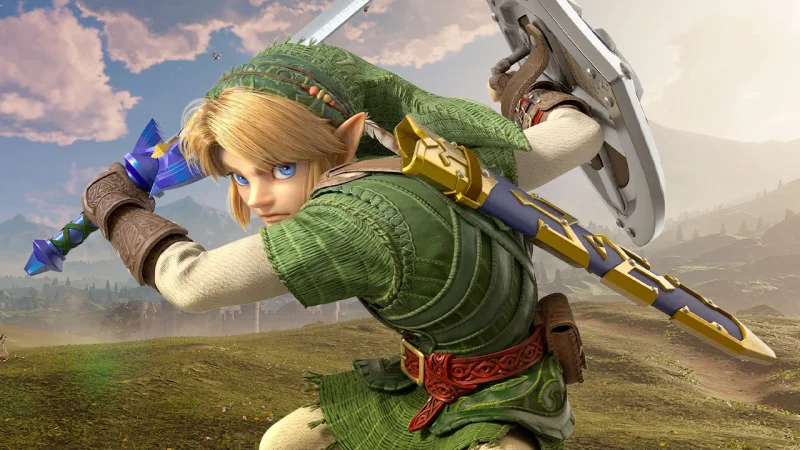
IGN’s Ocarina of Time Switch 2 review treats The Legend of Zelda: Ocarina of Time as something more careful than a remake and more ambitious than a simple upgrade. It is not an exact one-to-one version of the Nintendo 64 original, and it is not a full reimagining either. Instead, the game arrives as a modern interpretation that deepens the old adventure with a richer art style and expanded dialogue while keeping Link’s quest to stop Ganondorf and save Hyrule intact.
That matters now because this is the kind of classic many players return to expecting nostalgia and end up measuring against modern standards. The reviewer spent 30 hours before seeing the credits, then started over to keep chasing secrets, which is a strong sign that the game still has pull beyond first contact. It follows the familiar Zelda rhythm of exploring, finding the next dungeon, using a key item to solve puzzles and beat the boss, then slipping off the main path for side quests, Gold Skulltulas and other discoveries.

The performance and presentation are a major part of that appeal. The game stays at a solid 60 fps practically the entire time, whether docked or handheld, and the soundtrack is carried by a talented small group of musicians. The little touches do a lot of the work too: Link breathes and moves his fingers while playing the ocarina, Bombchu explosives are rendered as wind-up toys, and his tunic can catch fire in Death Mountain Crater if he does not have the right gear.
Those details would not matter as much if the structure were not still so sure of itself. The adventure keeps the traditional formula moving through exploration, dungeons and time travel, with Link shifting between child and adult forms to progress. The review also points to a seamless opening that moves from Link sleeping to his nightmare in Hyrule Field, a small example of how the game tries to feel old and new at the same time.
That balance is where the argument lands. Ocarina of Time is presented as a version that is faithful enough to honor the Nintendo 64 original, yet different enough to stand on its own as a fresh way through Hyrule. The unresolved question is not whether the classic still works. It does. The real question is how much farther Nintendo can push a legend like this without losing the shape that made it last.