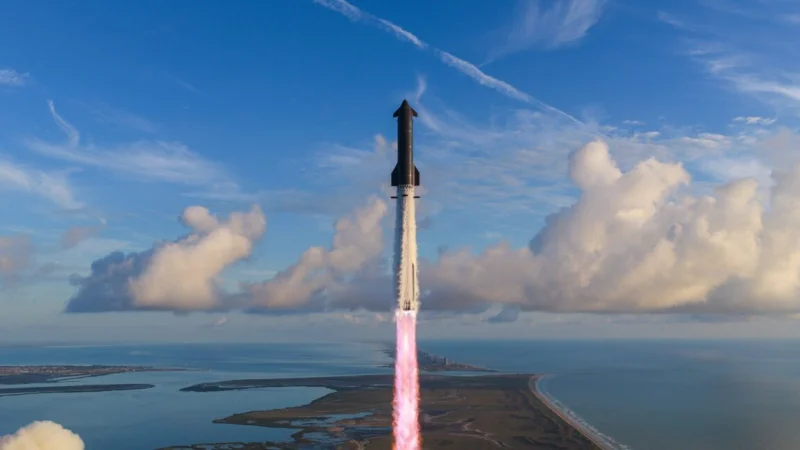
SpaceX is preparing to try something it has not yet done on Flight 15 next month: catch both the booster and the Starship vehicle after launch. Elon Musk detailed the plan, setting up a test that could push the program a step closer to faster reuse and a tighter launch rhythm.
The timing is what makes it land now. Flight 15 is the next clear checkpoint, and the planned catch attempt is being framed as a significant technological milestone in space exploration, not just another flight in the sequence. For a company trying to turn booster recovery into a routine operation, the idea of catching both parts of the system on the same mission is the kind of move that would change how the vehicle is handled after ascent.

What makes the plan stand out is how little else has been laid out. SpaceX has described the attempt, but it has not given technical details on how the maneuver will work, leaving the key question around the mechanics of the catch unanswered. That gap matters because the headline promise is easy to state and much harder to execute: one part of the rocket has to come back in a controlled way, and the other has to do the same, with both recoveries aligned in a single flight profile.
That is why Flight 15 carries more weight than a simple mission count. The attempt is being presented as a milestone in its own right, and next month is when that claim is expected to face hardware, timing and physics. If SpaceX succeeds, it will have turned a concept into a repeatable-looking step. If it does not, the unanswered part will be the same one now sitting at the center of the plan: how exactly the catch is meant to happen.