The Pentagon is starting its FORTRESS America push with the part that can be seen, measured and deployed first: energy resilience at U.S. military bases. A senior U.S. defense official said on Oct. 20 that the department wants to move quickly on that front, using assessments to determine where power generation is weakest and what to install first.
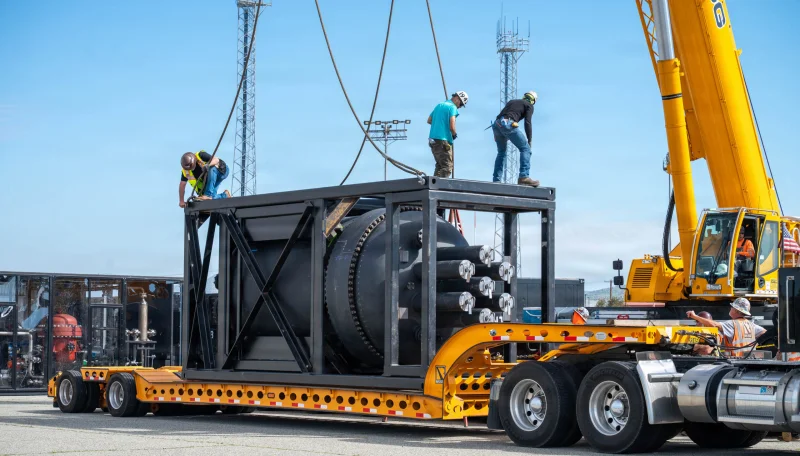
That matters now because the effort is not framed as a long-term study. Defense Secretary Pete Hegseth unveiled FORTRESS America in his Sept. 30 State of the Force speech, and the early emphasis is on bases that still depend on the civilian grid for electricity and water. The official said solutions can include microgrids and battery backup storage, a sign the Pentagon is looking for systems that can keep critical missions running even if the outside network fails.

The urgency reflects what defense planners have been warning about for years. The Department of the Air Force released an Installation Energy Strategic Plan in 2021 that warned of power disruptions lasting 30 or more days, and Congress around that time ordered the Pentagon to make 99.9 percent of the energy load required for critical missions resilient. Air Force bases also began running Energy Resilience Readiness Exercises, in which crews essentially pulled the plug and watched how units, commanders and backup systems responded.
Ravi Chaudhary, the former Air Force assistant secretary for energy, installations and the environment, said the threat would not announce itself as a traditional strike. “The attack, as we know it, will not look like an attack,” he said. “It will look like a systematic shutdown of community capabilities.” He added that adversaries would likely begin by making it hard to get on base and by targeting public works, the softest systems they could reach.
The Pentagon’s urgency comes with a built-in constraint. FORTRESS America has five pillars, but energy independence is the one moving first, while supply chain resilience, a strategic defense reserve, installation hardening and cyber resilience, and resilience in space and spectrum may take years to put in place. FORTRESS stands for Federal Operations for Resilience, Troop Resources, Energy, Supply, and Survivability, and the likely testing ground for the idea is The Next Great American Base project. For now, the unanswered question is not whether the Pentagon wants more self-sufficient bases. It is which installations will get the first microgrids, batteries and other fixes before the rest of the plan catches up.