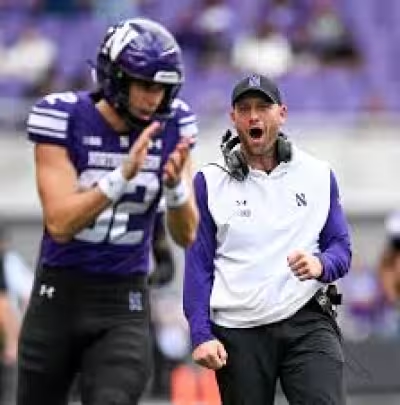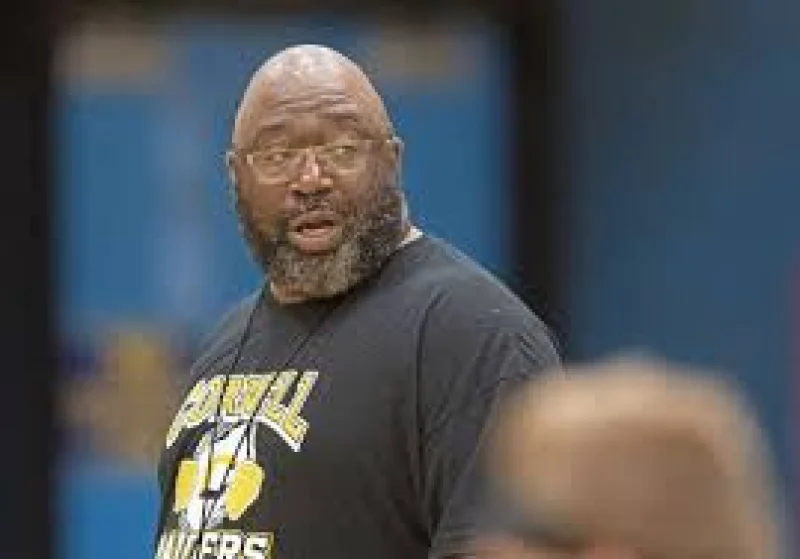
Cornell football coach Ed Dawson died Friday night after suffering a medical emergency during a game at Rochester, a sudden loss that stopped the night and left the program grieving. The game was called with Cornell leading 16-6.
Cornell Superintendent Aaron Thomas said Dawson had a medical emergency on the sideline, was taken to a hospital and was later pronounced dead. Dawson had been the face of the program for years, taking over as head coach in 2011 and helping guide Cornell through a period when low player numbers forced a co-op football arrangement with Quaker Valley before the program was revived in 2016.
That history is part of why the news hit so hard. Cornell did not just lose a coach who was on the sideline Friday night. It lost someone who had been involved with the program from youth football to the high school level, and who was still in the middle of the season when the emergency happened. Cornell entered the game 3-5 overall and 1-4 in the Big 7 Conference, but the standings were the last thing on anyone's mind once Dawson became ill.

Bill Sacco said Dawson told an assistant coach he was not feeling well in the second quarter. He was advised to sit down on the bench and ended up lying down there before the game was stopped. That sequence left no clean answer for what caused the emergency, only the hard fact that it happened quickly enough to change everything in a matter of minutes.
Donnie Militzer said he heard about Dawson's death from some OLSH students who perform in Cornell's band, and said, “It just crushed me.” He described Dawson as a welcoming man with a big personality who cared about players on his own team and the other team as well. Other coaches described the same mix of firmness and warmth, with Ron Balog calling him the ultimate coach and teacher and Tanner Garry saying Dawson was a mentor to him in his first years as Fort Cherry coach.
The next step is not a football decision alone. School officials said they would discuss what comes next with everyone involved, including Dawson's wife, to see whether she feels the season should continue. For Cornell, the question now is less about the schedule than about how a school built around Cornell in Coraopolis and Neville Island begins to move forward after losing one of its most visible figures.