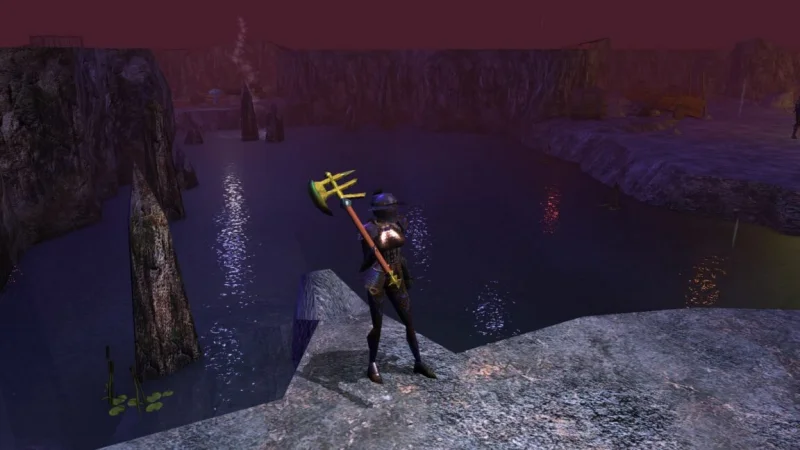
Neverwinter Nights is still drawing players more than two decades after BioWare shipped it, and that is not because its solo campaign carried the whole game. The old RPG has outlived plenty of louder, newer releases because people keep coming back to its multiplayer, its dungeon-master tools and the module-making system that let the community build around it.
Ray Muzyka said around the time the game was released that BioWare saw Neverwinter Nights as a table with four legs: the single player, the multiplayer, the DMing tools and the toolset. He said all four were meant to appeal to different groups and that BioWare tried to make them all equally strong. That matters now because the game’s staying power comes from the parts that were built for repeat use, not just the one-off story.
That is why the keyword is being searched now. Neverwinter Nights sold well at launch and was critically acclaimed, but its long tail has turned out to be the real story. Even after 20 years, players in the Neverwinter Nights community are still active enough that the game is described as having thousands of current players, measured not by a single official census but by the visible activity of the live communities that keep running, playing and creating with it.

The friction is that the main campaign, The Wailing Death, is often treated as the least important part of the package. It is remembered as only OK, which sounds strange next to the game’s critical reputation and its unusually durable audience. But that gap is exactly the point: BioWare built a game that was not just a story campaign, and the parts that were meant to be shared, edited and remixed have done the lasting work.
BioWare was best known for story-driven RPGs, including Baldur's Gate, Star Wars: Knights of the Old Republic, Mass Effect and Dragon Age, and Neverwinter Nights fit that pattern only partly. It was designed for small communities to inhabit and create with, and BioWare even treated it as a trial run for something closer to an MMO before backing away from that ambition. The result was not exactly an MMO, but it was closer to a living platform than a normal single-player RPG.
That is why the game still matters today. The unanswered question is not whether Neverwinter Nights had a moment; it is how a BioWare RPG built on four equal pillars managed to keep one of those pillars standing so long after the rest of the industry moved on.