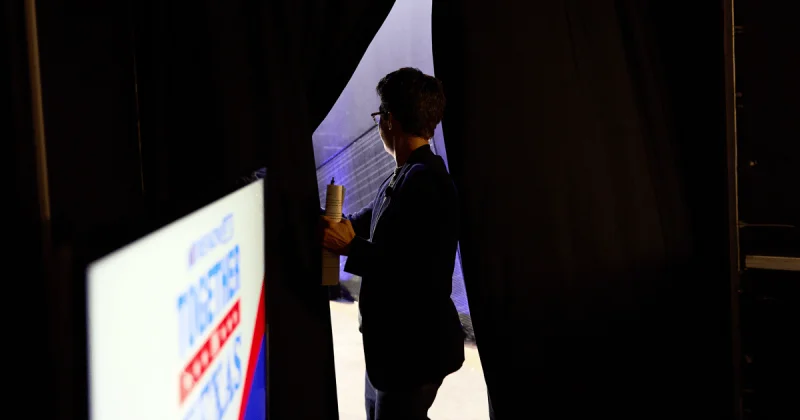
MS Now took its annual fan event out of New York City and into Texas on 26 September, drawing nearly 5,000 people to the University of Texas-Arlington for Together In Texas: We the People 2026. The move gave the network a bigger stage in a state that has not elected a Democrat to the US Senate in 37 years.
The timing mattered because Texas is no side stop for the network’s political audience. James Talarico, a 37-year-old Texas state representative, is running against Ken Paxton next month, and the event placed MS Now’s hosts in the middle of that fight while the campaign is still taking shape.
Marcus Mabry said the network wanted to be “bigger and bolder,” and he said it was going to a story that really matters while continuing to grow its live events business. That pitch was on display in the crowd count alone: nearly 5,000 “super fans” showed up, a turnout large enough to suggest the network can pull a paying audience outside its usual coastal base.

The Texas choice also carried an obvious contradiction. Donald Trump and JD Vance carried Tarrant county in 2024 by 42,125 votes, yet MS Now treated the same state as a place for a large liberal gathering and a message about future blue votes. Stephanie Ruhle told the crowd that people might have neighbors who do not vote like them but could tomorrow, and she said she met people with tears in their eyes who described themselves as the sole blue dot in Texas.
Chris Hayes said thousands of people being there in the middle of Texas made the moment feel different, while Mabry argued the network should stop speaking in red and blue and start speaking to people as individuals. That is also the bet behind the event itself: if MS Now can turn a one-day rally into repeated attention, it may find a way to sell more than tickets, especially as it rolls out its $7.99 monthly or $79.99 annual membership plan.
The unanswered test is whether Texas becomes more than a one-off crowd for the network. After two years of staging the annual event in New York City, MS Now used Arlington to show it wants to be more than a cable brand with a live audience; it wants a broader political operation, in a state where the next Senate race could tell whether that gamble reaches beyond the room.