CBS’s Cupertino has arrived as a legal procedural with a Silicon Valley edge, and it does not waste time asking small questions. The new series, created by Robert and Michelle King, opens with AI money, workplace retaliation and a case built around a larger problem: if a machine can act, who is to blame when it does?
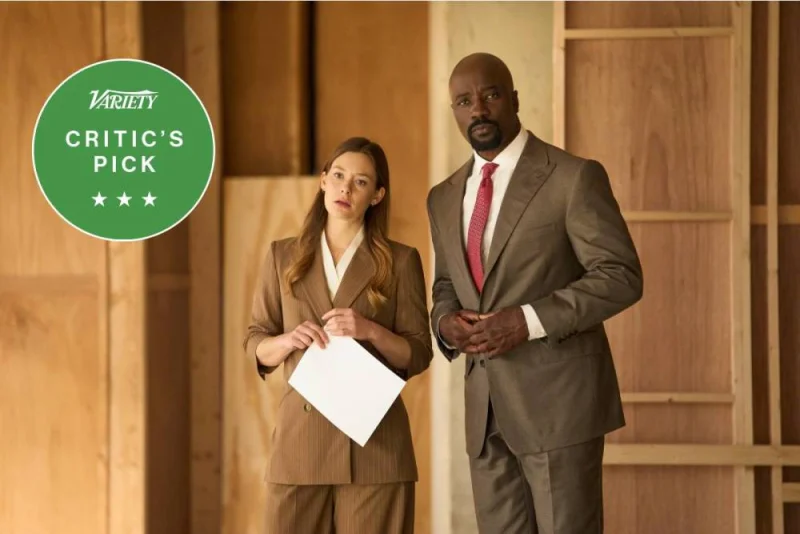
The show debuts tonight, which is why viewers are looking for it now. Mike Colter plays Michael Price, a co-founder and in-house counsel who is unfairly defenestrated from the AI startup he helped build. Rachel Keller plays Olivia Siffre, an entry-level associate fired at the same time in retaliation for sexual harassment, and the two respond the only way this show allows: they team up and launch a fledgling firm.
That setup gives the series its immediate hook, but the real draw is the argument running through every scene. Cupertino shifts the Kings’ familiar legal machinery from Chicago to Silicon Valley, into the middle of the artificial intelligence boom, where the questions are no longer only about contracts and damages. The show asks whether a machine can have a soul or free will, whether an algorithm should rule impartially like a god, and who is culpable for the sins of a computer.

The friction comes from the fact that the series is not content to treat AI as a clean philosophical puzzle. One character cuts straight through the reverence on the stand: “It’s software, not Satan,”. Olivia answers with her own certainty, saying, “Consciousness is a divine endowment given by God’s breath,” while another voice warns, “During the gold rush, don’t sue the gold mine,” and Michael turns the startup logic into a blunt pitch: “You don’t sell water. You sell the life jackets.”
That mix of theology, commerce and litigation is what makes Cupertino feel more pointed than a standard tech drama. Jackie Hoffman is back in judges’ robes, Andrea Martin would be a steely nun if she walked onscreen, and the show carries the same fast pace and comic bite that made BrainDead and The Good Fight work, even if the mood is steadier and more sincere. A full decade ago, BrainDead turned political discourse into a covert zombie apocalypse; Cupertino swaps the satire’s deadpan shock for a more direct fight over power, belief and responsibility.
The first couple of episodes do not solve the machine question so much as narrow it. The legal conflict lands on people, not code, and that is the point: the show keeps pushing the blame back onto the humans who built, used and profited from the system. But it leaves one useful uncertainty hanging over everything that follows, and that is whether Cupertino can keep making AI feel like a matter of law and soul at the same time. For now, it has already answered the easier question. The bigger one is whether Michael and Olivia can build a case, and a firm, strong enough to survive the valley they have chosen to fight.