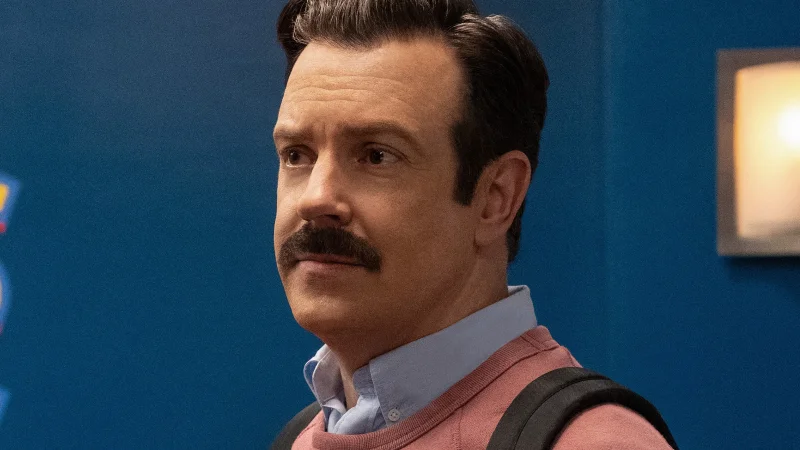
Ted Lasso is still drawing viewers, but the point where the series stopped feeling like the same show is now being pinned to Season 2, Episode 7, "Headspace." That episode sits at the center of the argument that the comedy passed the point of no return after Ted began dealing with panic attacks and therapy entered the story.
That question is landing now because the show is wrapping up its fourth season, which has forced a fresh reckoning with how far it has drifted from the breezy, funny, underdog story that made it such an easy watch in the first place. Jason Sudeikis built Ted as a dorky American football coach unexpectedly hired to lead a British soccer team, and the setup worked because his aw-shucks manner and earnest optimism won over both the owner and the audience.
The first season had a built-in lift beyond the jokes. The owner hired Ted because she secretly wanted her team to lose, and the twist gave the whole premise a pleasing screwball edge. It also arrived at exactly the right moment, offering a warm escape from the horrors of 2020. That is why the show became widely beloved so quickly: it felt generous, funny, and easy to trust.

The turn in Season 2 changed the math. Once Ted’s panic attacks came into focus and therapy became part of the story, the series was no longer just about a good-hearted outsider trying to keep a team together. It was also trying to make room for interior struggle, and the critique here is that it wildly misjudged how interested viewers were in that shift. The result was not a small tonal adjustment. It altered the DNA of the show for a while.
Nate’s rise made that change harder to ignore. He moved from kit man to respected assistant coach, and his new status only sharpened the parts of him that were already unstable. His inadequacy about the role, his fixation on social media praise, and his lack of approval from his father festered into something ugly. The Wonder Kid label almost instantly went to his head, and he began lashing out at team members while turning his resentment toward Ted, the man who gave him the opportunity in the first place.
That is why "Headspace" reads like a point of no return. It marks the moment when the show’s two major wrong turns became impossible to separate: a deeper focus on Ted’s private pain and Nate’s sour, repulsive turn under the pressure of status and approval. The series has stayed popular, and Apple has kept renewing it long after it should have hung up its cleats, but it never fully recovered after that shift and never got back to the highs of Season 1. The show may still have an audience, yet the sharper question now is whether its most lovable version was the one that ended before the first therapy session ever arrived.