The Buffalo Sabres have already changed their power-play units, and the move came after a start that left them 0-for-8 through two games. In practice on Monday, Noah Ostlund was pushed onto the top unit while Josh Doan went back to the second group.
That is why Owen Power is drawing attention now: the Sabres are searching for answers to a problem that has followed them for two seasons, and the opening-night numbers have only made it louder. Last season they finished 20th in the league on the power play at 19.5%, and the year before that they were 24th at 18.8%, a slide that has already put pressure on every adjustment the staff makes.
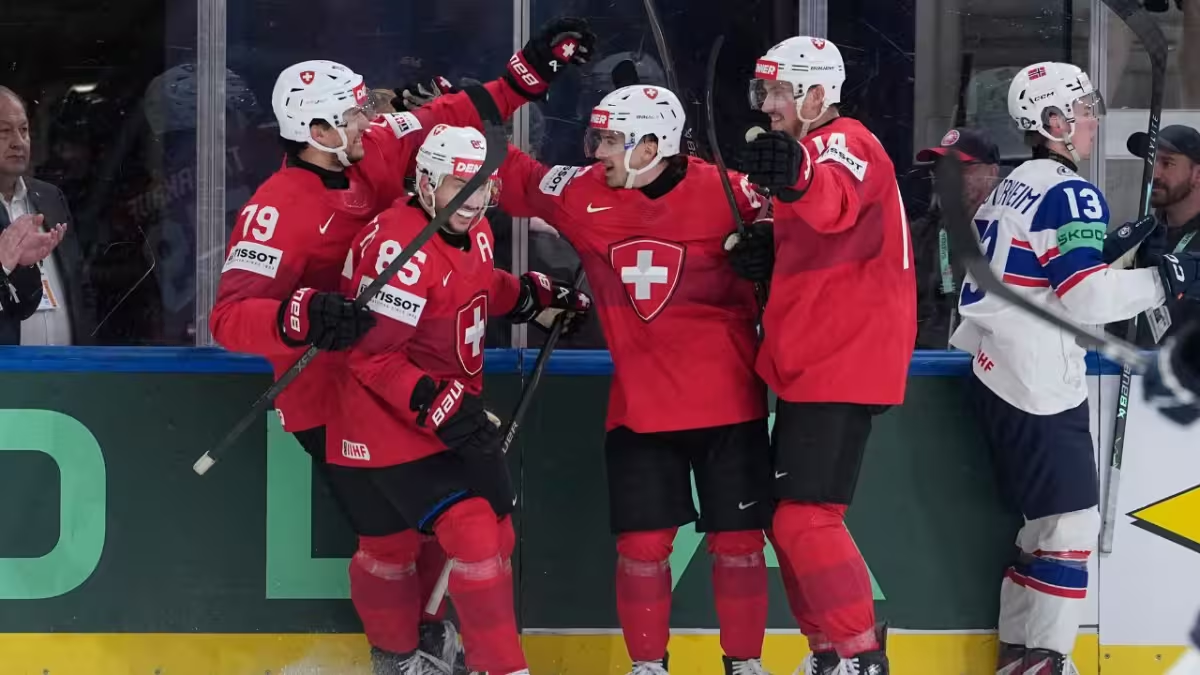
The scale of the issue shows up most clearly in the two-man advantage. Last season, the Sabres were one of only four teams that failed to convert a 5-on-3 power play, even though they were the only team that logged double-digit minutes with the two-man edge. A season further back, they had 18 5-on-3 chances and scored only two goals, while also spending 17:43 on 5-on-3 plays. That is not a short slump. It is a pattern of wasted leverage.
Eric Staal was brought in as a coaching consultant in the offseason to help fix the power play, which makes the empty start harder to ignore. Lindy Ruff said after practice that the switch with Ostlund was about alignment, noting that two left-handed players can line up better and help the unit work off the left side, with Quinn and Thompson on their forehands across from them. The explanation fits the kind of detail teams reach for when they are trying to make a struggling setup feel cleaner.
But the numbers keep pressing back. A consultant was added, the units were adjusted, and the first two games still produced nothing on eight chances. The next test is whether the new look gives the Sabres a power play that can finally turn time and space into a goal instead of another replay of the same problem.