True Food Kitchen filed voluntary Chapter 11 petitions on Oct. 5, 2026, in the U.S. Bankruptcy Court for the Southern District of Texas after closing 12 restaurants the day before. The chain said 34 restaurants across 14 states remained open and serving guests as usual.
The filing puts a 34-location restaurant company into court-supervised restructuring while its remaining dining rooms stay open. True Food Kitchen said it secured a commitment for about $20 million in debtor-in-possession financing from HumanCo TFK IV, subject to court approval, and that it is seeking approval to keep operating through the process.
That is why the search traffic around true food kitchen is rising now: the company is not just trimming costs, it is moving into bankruptcy court while asking for room to keep the business running. True Food Kitchen said the Chapter 11 case is meant to strengthen its financial foundation, optimize its restaurant footprint and cost structure, and accelerate ongoing operational improvements. It also said it will pursue a court-supervised sale process to identify a long-term partner.
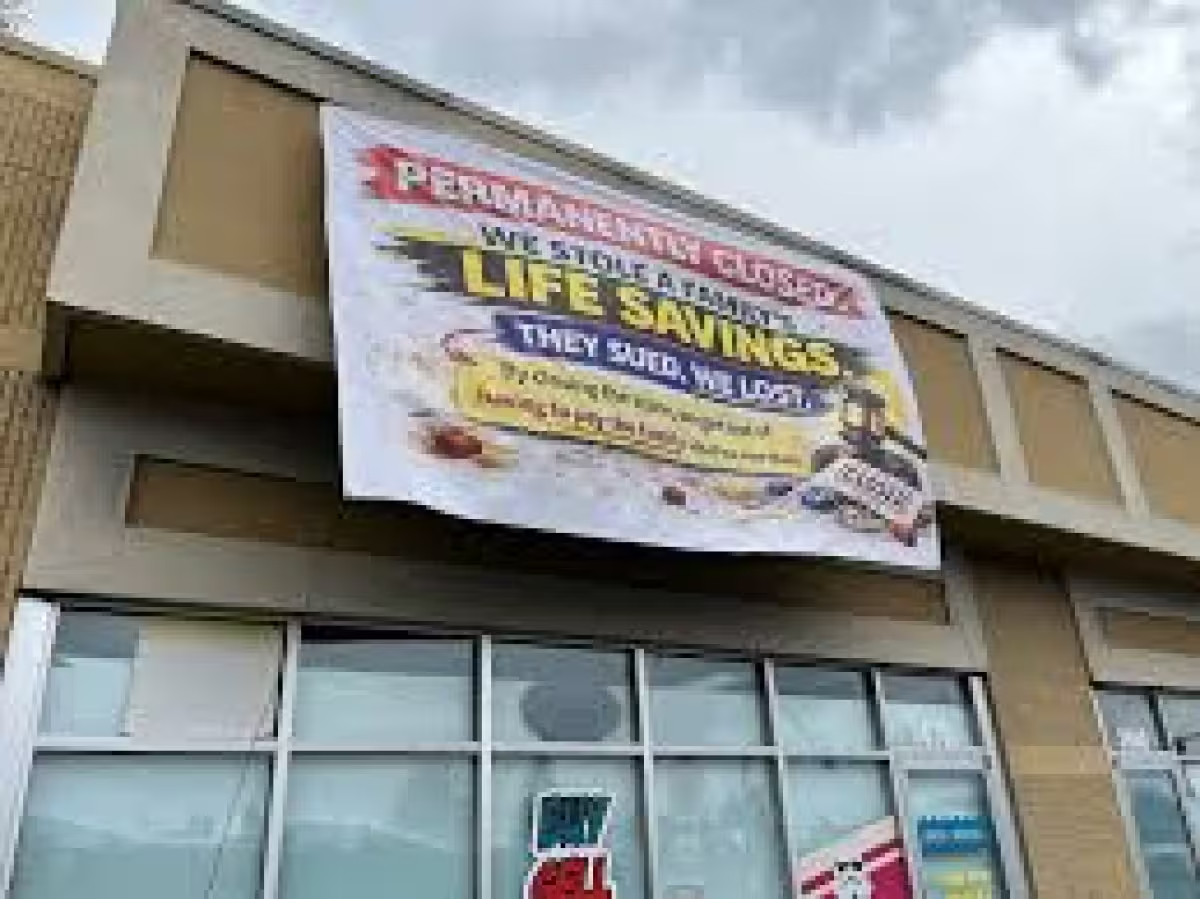
The closure list has not been made public, but the timing is clear. The 12 restaurants had their final day of service on Sunday, Oct. 4, and the next day the company and certain affiliates filed their voluntary petitions. Founder status is part of the company’s identity, too: True Food Kitchen was founded in Phoenix in 2008 and built itself around wellness-driven dining, which makes this kind of restructuring a sharp turn for a brand that has long sold itself on steady growth and a consistent guest experience.
Jeff Chandler said the company sees this as the best path to simplify the business and focus on what it does best. He said True Food Kitchen is deeply grateful to the team members affected by the closures and will share information on resources and next steps with them. The First Day motions also seek permission to pay employee wages and benefits, maintain certain guest programs and continue working with vendors and other business partners, a sign that the company is trying to keep the day-to-day operation moving even as it asks the court for a reset.
What happens next is now in the court’s hands. If the financing and First Day motions are approved, True Food Kitchen can keep serving at its remaining restaurants while it works through the sale process and decides what kind of long-term partner it wants. The unanswered question is not whether the company is changing; it is which version of True Food Kitchen will emerge once the court-supervised process is over.