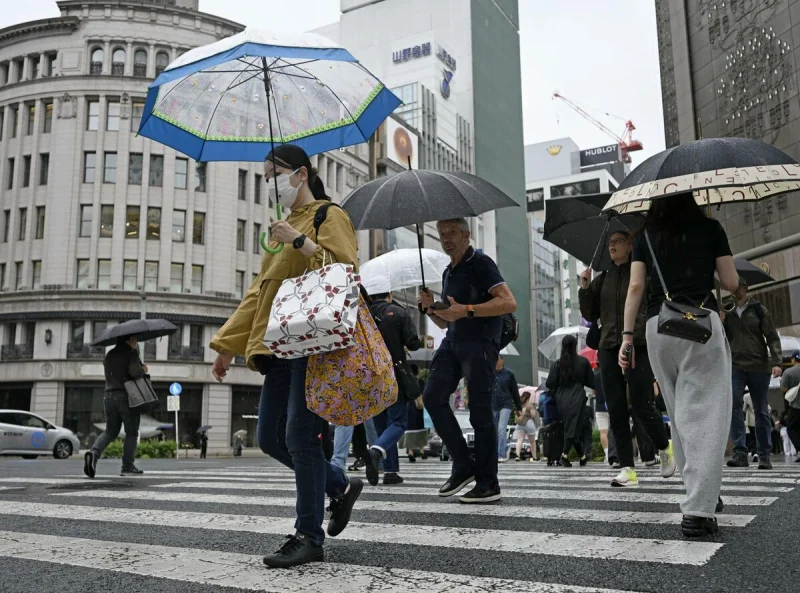
Tokyo's record stretch of rain has finally broken after 35 consecutive days, ending the longest wet spell recorded since observations began in 1886. The city had gone without a dry day since 27 August, and the run left central Tokyo with only 45.8 hours of sunshine in the period from the start of September to Monday.
For residents of Tokyo, the weather had become more than a nuisance. Yojiro Noda, the Radwimps frontman with 1.1 million followers on X, wrote: Tokyo, a lifetime of rain. His post captured the mood in a capital where washing would not dry and where the price of a head of lettuce had more than doubled to ¥450, according to one supermarket worker.
The numbers show how unusual the spell was. Central Tokyo took in 629mm of rain, or 24.8 inches, over the same period, and there were 14 days when the sun did not appear at all. The previous record for consecutive rain in Tokyo was 33 days, set between 27 June and 29 July 2019, so this week's total pushed the city into new territory even before the skies began to ease.

That length of wet weather did not stop at inconvenience. Prolonged rainfall caused crop damage in agricultural regions near Tokyo, and the pressure on supply fed through to prices in the capital. A weather expert, Hiromichi Ito, said prolonged rain, low atmospheric pressure and high humidity can bring headaches, dizziness and other symptoms, underscoring how quickly a weather pattern can become a public-health story as well as an economic one.
There is, however, a limit to what can be pinned down with confidence. The weather was blamed on climate change and El Niño, and the Japan meteorological agency said global warming is affecting Japan's weather over the long term, including through more precipitation, but it also said it is difficult to establish a direct link between climate change and this particular streak. Masayuki Kyoda said autumn rain fronts are staying longer than usual, a reminder that the immediate cause can be messy even when the wider trend looks clear.
The next test is already forming. Another typhoon, the 26th of the season, was moving north-east and could brush the Kanto region, while Typhoon Dujuan had already shown how costly these systems can be after flooding and landslides in neighbouring Chiba prefecture killed eight people and destroyed dozens of homes earlier in the month. Tokyo may have escaped its record rain streak, but the unsettled pattern that fed it is not done with the region yet.