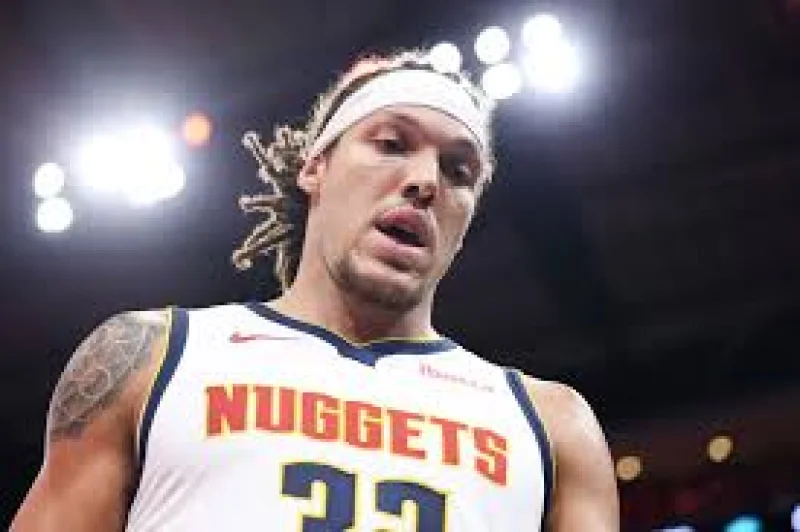
The Nuggets moved Peyton Watson to Cleveland on Aug. 19 in a sign-and-trade that sent the 23-year-old wing out after a seven-week stalemate and brought Denver a 2031 unprotected first-round pick and a 2032 second-rounder. The deal gave the Nuggets future draft capital instead of a player, a clear sign that the front office chose flexibility over keeping the 2022 first-rounder in place.
That choice mattered because Watson was not just any young piece. He had been drafted 30th overall in 2022, spent four years in Denver and, for a time, looked like one of the players the team wanted to keep around as it tried to build continuity. Ben Tenzer said earlier in the process, “We feel good about where that’s at,” and, “And we hope Peyton is here a long time.”
Behind the scenes, Denver valued Cleveland’s 2031 unprotected first-round pick more highly than any player it could have taken in return, according to team sources told The Denver Post. That was the kind of calculation the Nuggets were making all summer. They had already traded back nine spots in the June 24 draft to pick up two future second-round picks, a move that fit a front office leaning hard toward draft assets rather than short-term fixes.
The payroll math explains why. The Nuggets had room for only one of Christian Braun and Peyton Watson on the 2026-27 payroll, while Aaron Gordon was set for a $9 million raise. Keeping both Braun and Watson would have pushed Denver over the projected second apron of $222 million, and crossing that line brings roster-building penalties that make it harder to add talent, take back salary in trades and manage the roster with the same freedom the team has had in the past.
That is where the public optimism and the final result collided. Denver talked like Watson could stay for a long time, then sent him to Cleveland without getting a player back, choosing a distant first-round pick over a young wing it had developed for four years. The payoff may not come until much later, but the message is immediate: the Nuggets are treating future flexibility as an asset in itself, and they are willing to spend one of their most promising players to get it.