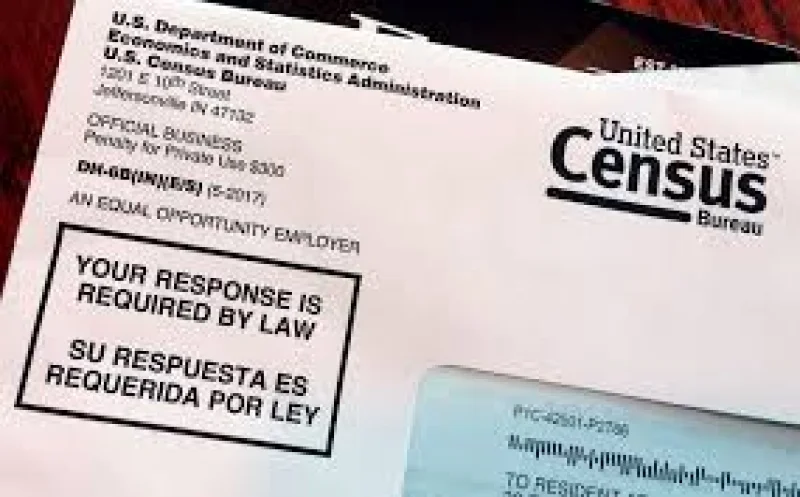
The Trump administration on Wednesday proposed changing the 2030 census so it would count only U.S. citizens and permanent residents, a move that would strip out millions of people now included in the national head count. The U.S. Census Bureau also proposed removing questions on race and ethnicity from the questionnaire, setting up a 30-day public comment period before any final decision.
The change is being watched closely because the census does more than tally the country. It determines how many seats each state gets in the U.S. House of Representatives, helps draw state legislative districts and guides the flow of federal money for public services. Meeta Anand said the proposal could have “earth-shattering” effects for cities and states with relatively high immigrant populations, which could end up with too little federal aid and too little political representation.

The move goes well beyond the Trump administration’s long-running complaint that immigrants living in the U.S. illegally are counted. Under the new proposal, even some people here on a temporary lawful basis would be excluded, narrowing the count further than the president first sought in his prior term. Trump tried to add a citizenship question to the 2020 census, but the U.S. Supreme Court blocked that effort after finding the government had given a contrived rationale.
That earlier fight still hangs over the new plan. The 14th Amendment calls for representatives to be apportioned based on the whole number of persons in each State, and demography experts and civil rights advocates say a census built around citizenship alone could warp the data used for redistricting, anti-discrimination enforcement and funding decisions. Anand said the census “undergirds so much of our democracy and our society,” and warned that flawed counts would produce a “very inaccurate picture” of the country, with business and investment decisions following from it.
The proposal now moves into public comment, and that period is where the real test begins. The Census Bureau is not saying the plan is final, only that it has been put forward for review. What happens after those 30 days will determine whether the government takes a narrower view of who counts in the country’s most important statistical snapshot, or whether the next full census in 2030 still reflects the whole number of people living in the United States.