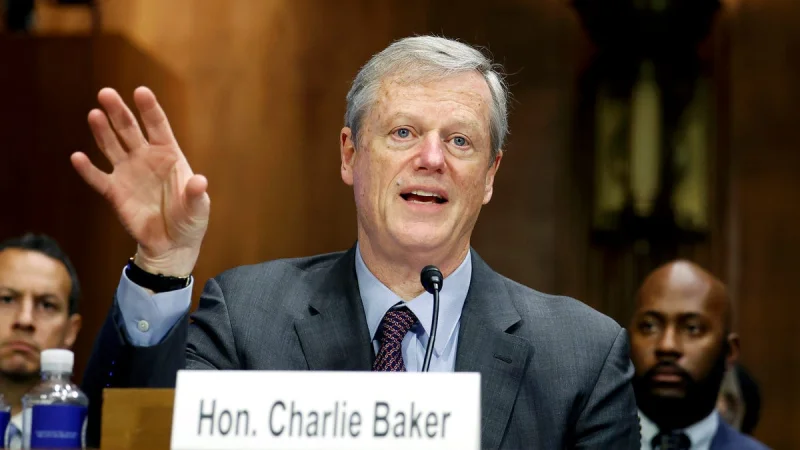
More than 165 lawsuits filed since the start of 2025 are tearing at college sports eligibility limits, and Charlie Baker says the pressure is now high enough that Congress needs to step in. He says the legal fights are no longer isolated disputes. They are becoming the force that decides who can play.
Baker is talking now because the Senate is set to return from recess as the new school year begins, and the timing, he argues, leaves little room for delay. College sports matter, he said, adding that they are the greatest human development tool in the entire world.
The push behind the Protect College Sports Act is straightforward: create one clear, fair and enforceable eligibility standard before more court rulings redraw the map. NCAA member schools recently updated the rule to allow up to five years of competition before age 24, but the legal system has been moving faster than the rulebook. In the past two weeks, two courts permitted NFL players to return immediately to college football without so much as a hearing or a trial.
The same pattern has shown up in basketball. In two cases, the NCAA has been ordered to allow professional basketball players back into college after they intentionally left for the NBA Draft and each played in several NBA games. In another case, a judge required the NCAA to let an athlete compete for a fifth school in five years. The message from the courts is that exceptions are becoming the rule.
That is where the clash sits. The NCAA says eligibility limits preserve a fair playing field. Baker says the current wave of rulings is dismantling that field piece by piece, and the people likely to feel it first are incoming freshmen, current student-athletes and the women’s and Olympic sports that depend on stable roster spots. The legislation would codify scholarship, healthcare and revenue-sharing protections and set sport minimums and roster protections meant to shield those programs.
The unanswered question is not whether the fight is real. It is whether the Senate acts before more judges make the eligibility rules for it. If Congress does not move, the number that matters may not be 165 lawsuits for long. It may be the count of schools, sports and players left trying to follow a standard that no longer holds.