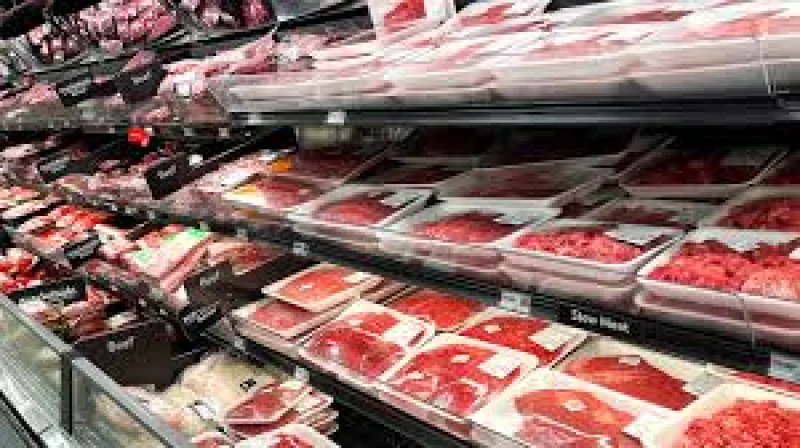
The Department of Justice Antitrust Division expanded its beef affordability investigation on Tuesday, adding eight of the largest grocery retailers in the United States to a probe that began with the Big Four meatpackers. The new letters push the inquiry from meat processing into the retail aisles where shoppers are seeing higher beef prices.
The retailers now under scrutiny are Kroger, Publix, Walmart, Albertsons, Aldi, Ahold Delhaize, Costco and Amazon. Stanley E. Woodward Jr. sent identical letters dated July 14 to each company, asking for records tied to retail beef sales and prices, wholesale purchases, costs and margins, pricing and purchasing strategies, and analyses of wholesale and retail beef trends.
That wider reach matters because the earlier case focused on JBS, Cargill, Tyson Foods and National Beef, which the Justice Department says control more than 85% of the U.S. beef processing market. By moving down the supply chain, federal antitrust officials are signaling that they want to understand not just how beef is produced, but how the price is formed after it leaves the packer and reaches the store shelf.

Woodward’s letters go further than a simple records request. The DOJ asked company personnel to brief investigators on four areas, including how beef pricing strategies and margins changed between 2020 and 2026, how costs shifted over that span and how each company handled wholesale arrangements for purchasing beef from meatpackers. The starting point is not arbitrary: 2020 is the base year from which investigators can compare later changes in pricing behavior, margins and costs against a period before the biggest recent swings in grocery prices.
The friction in the case is plain. The Justice Department says beef prices are a critical concern and a priority, but the retailers have not been publicly described as having done anything wrong. That leaves the probe aimed at a question that can shape the whole market: whether the pressure on beef prices is being driven only by supply and cost changes, or whether pricing strategies at the retail level are helping keep prices elevated.
For now, the expansion does not bring charges or public findings. It does put eight of the country’s biggest grocery chains on notice that the DOJ wants documents, pricing analysis and personnel briefings, and it shows the inquiry is no longer limited to the meatpacking companies that first drew antitrust scrutiny in May. The next turn will come from what the companies turn over, and whether investigators decide the retail side of the chain deserves more than a closer look.